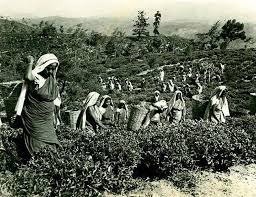
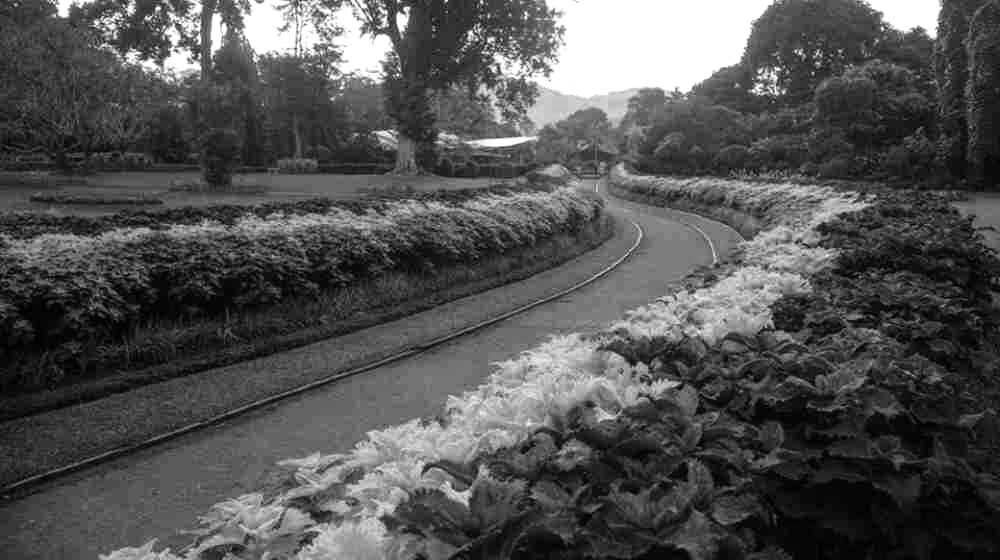

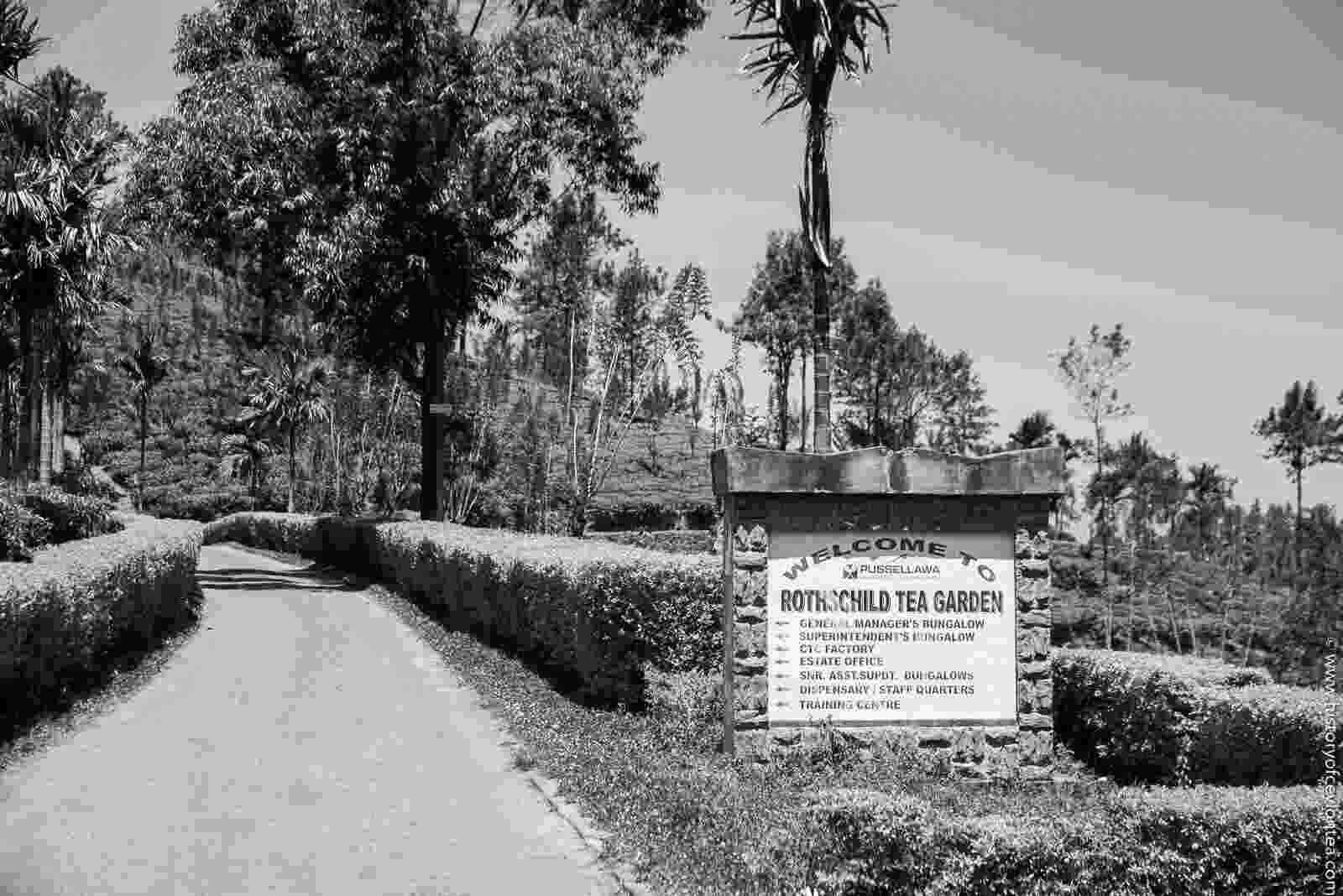
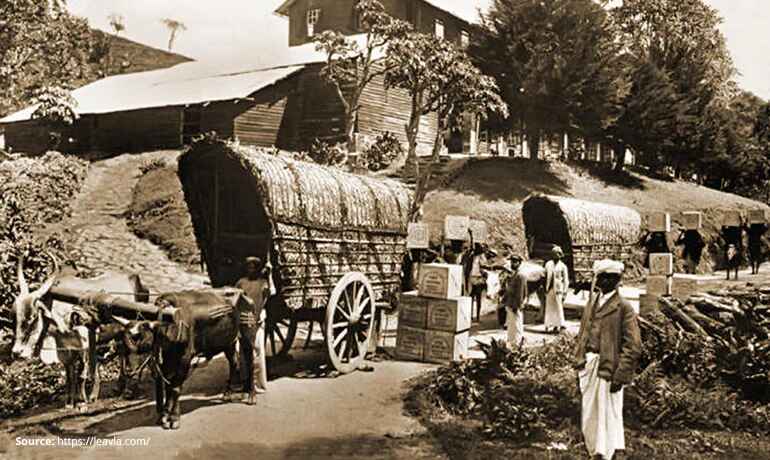

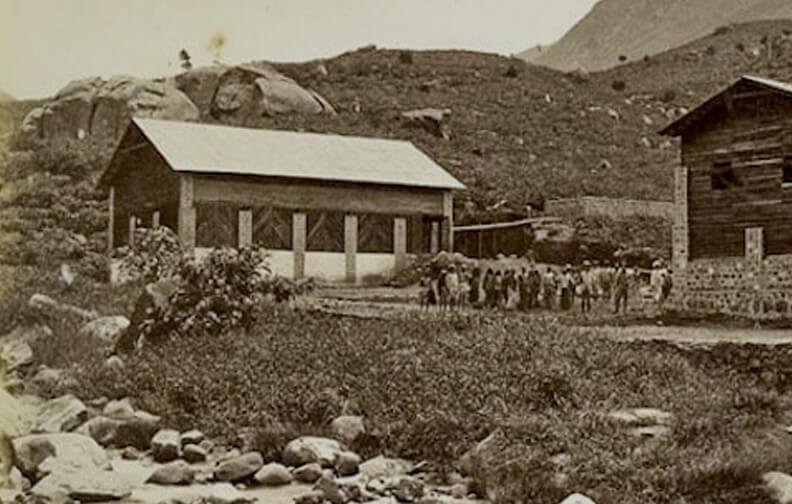
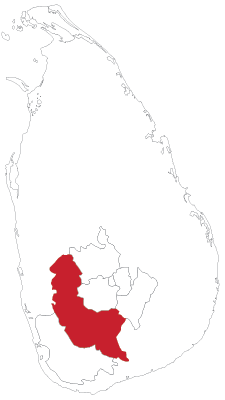
The tea growing regions extends from the southern foothills to the mountain ridge in central Sri Lanka producing the best tea in Sri Lanka. The tea country is divided into 7 districts, each of which produces teas of distinct character due to its unique climate and terrain.


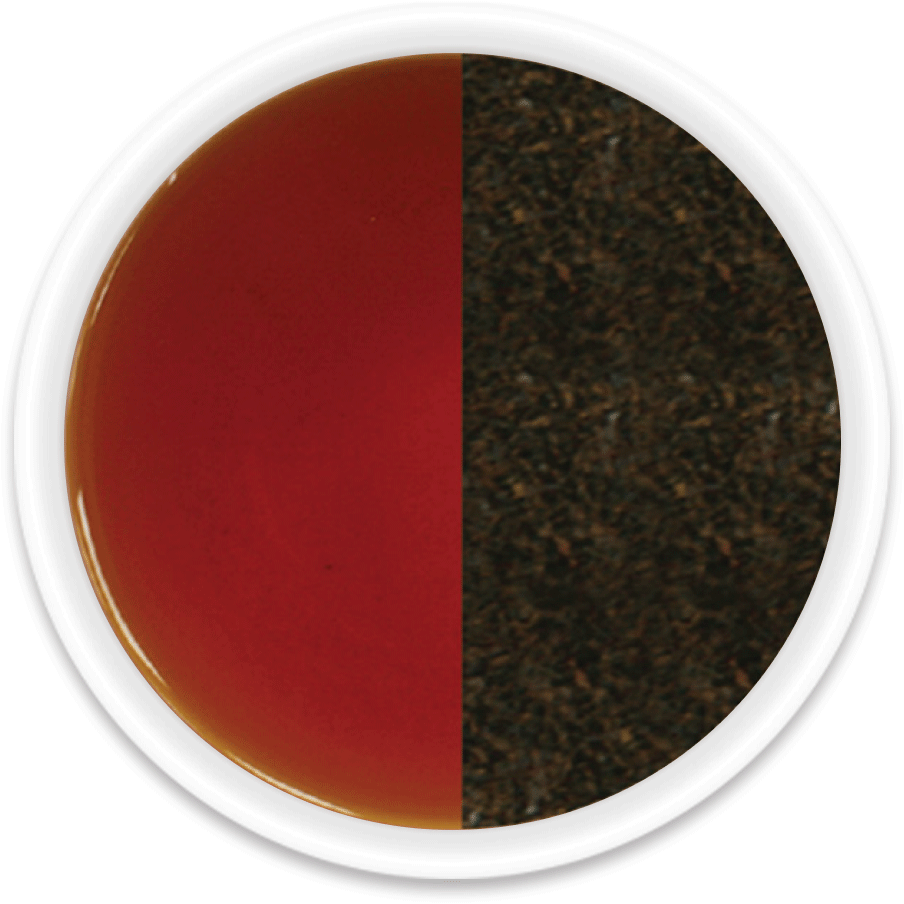
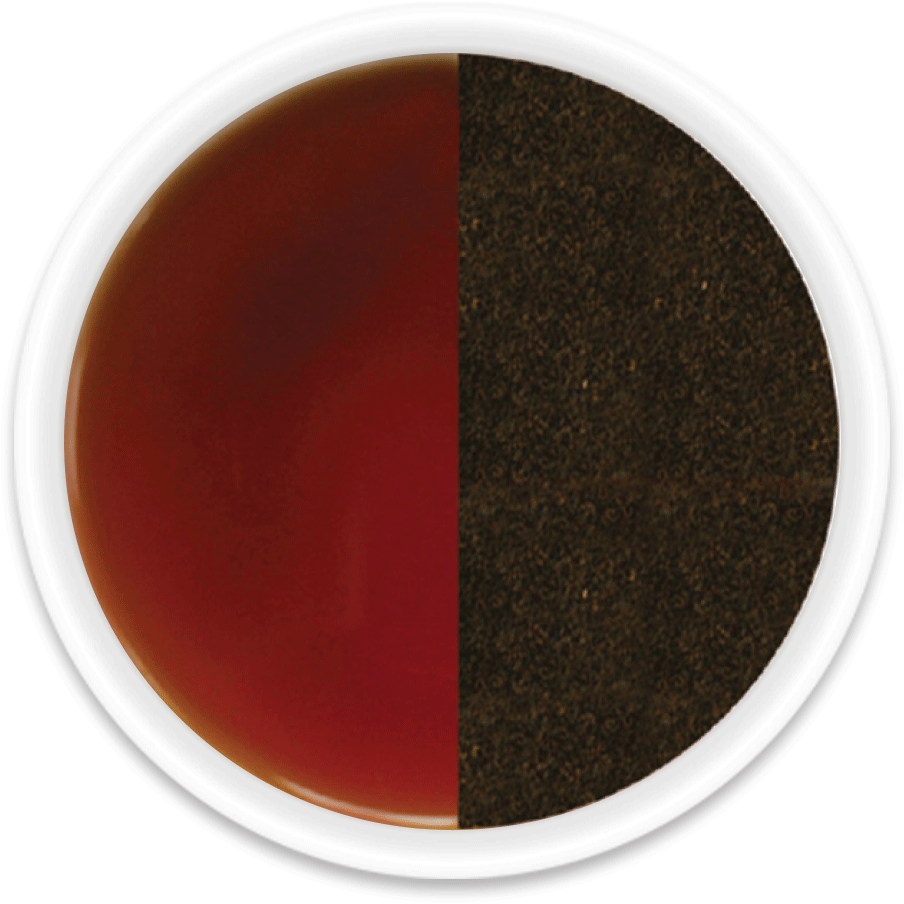
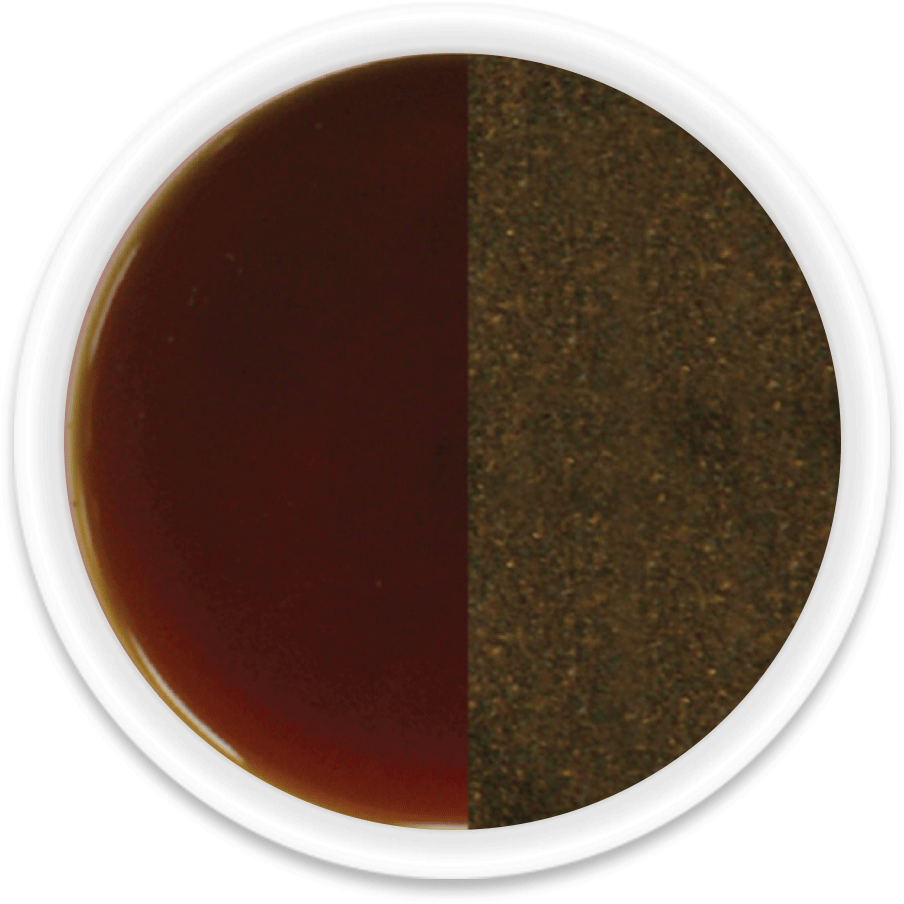
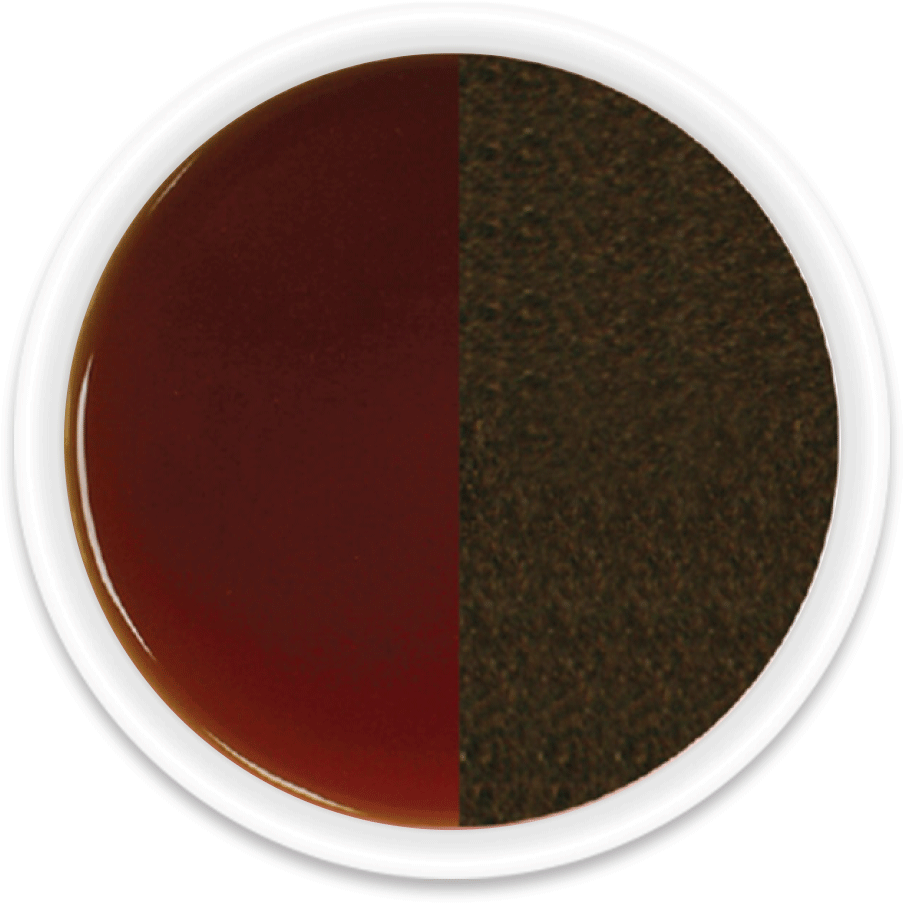
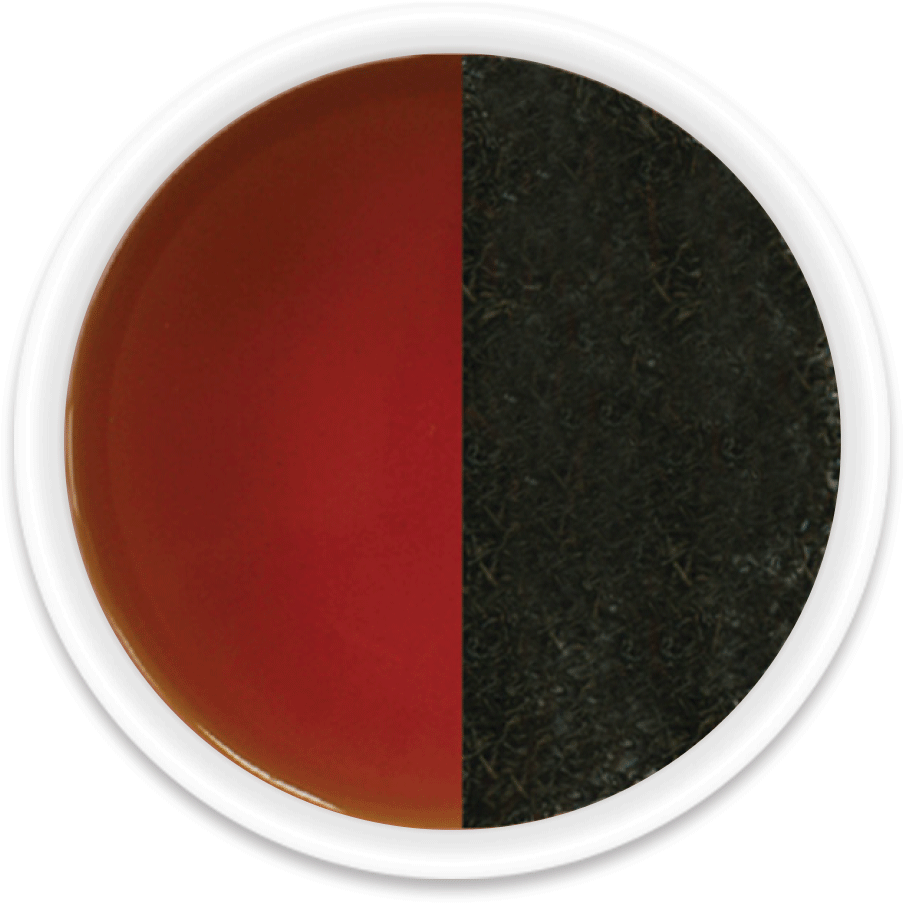
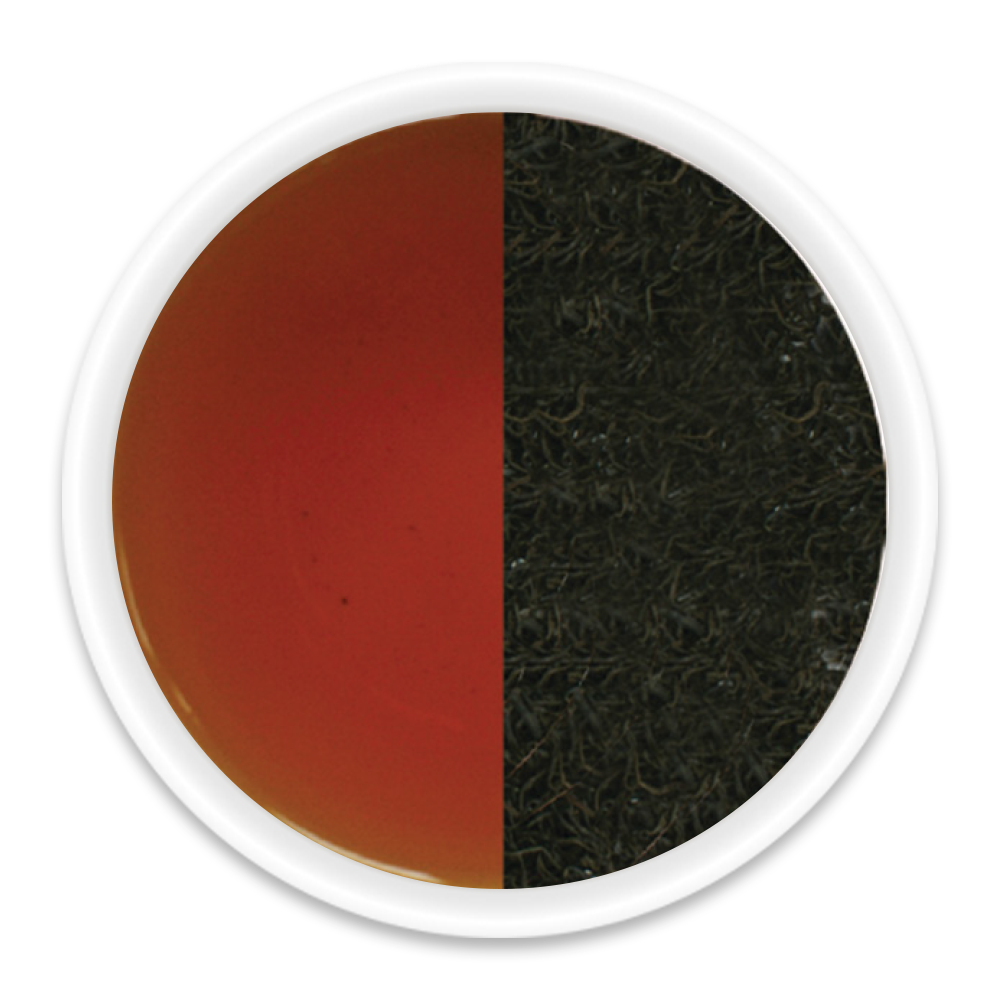
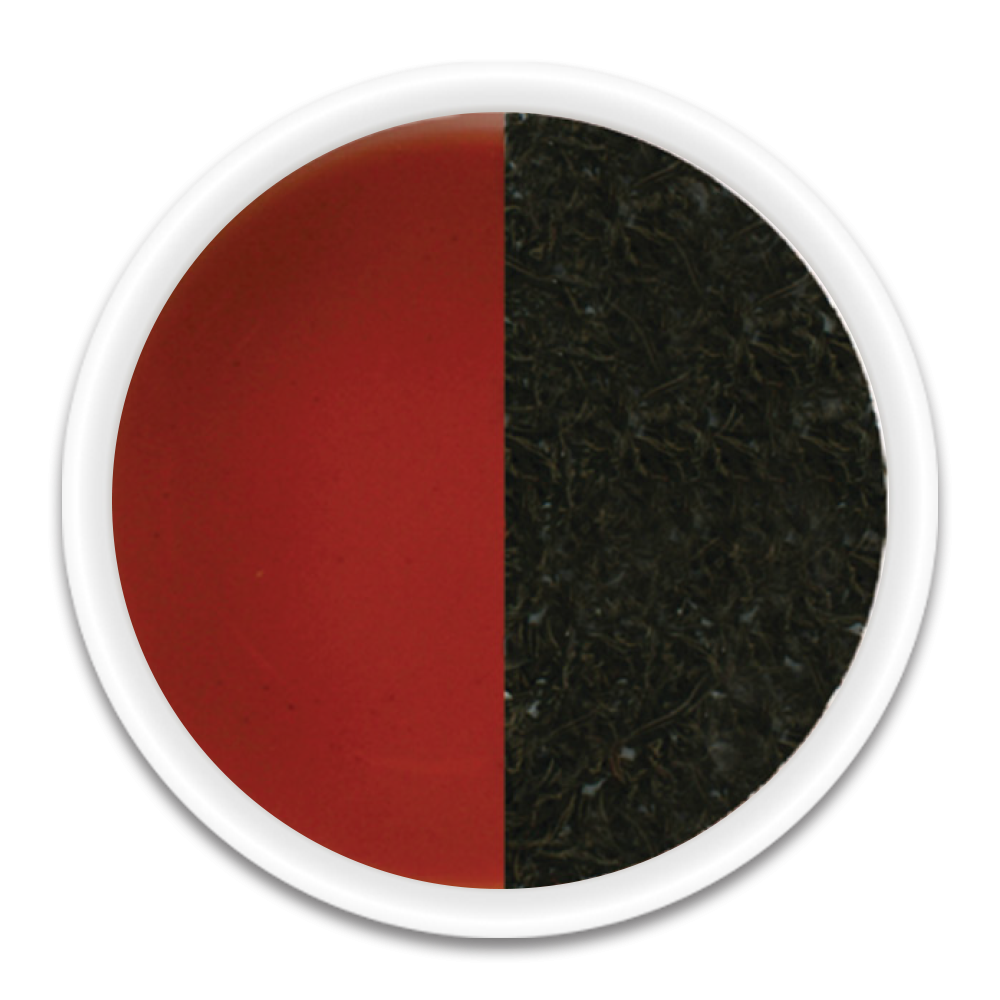
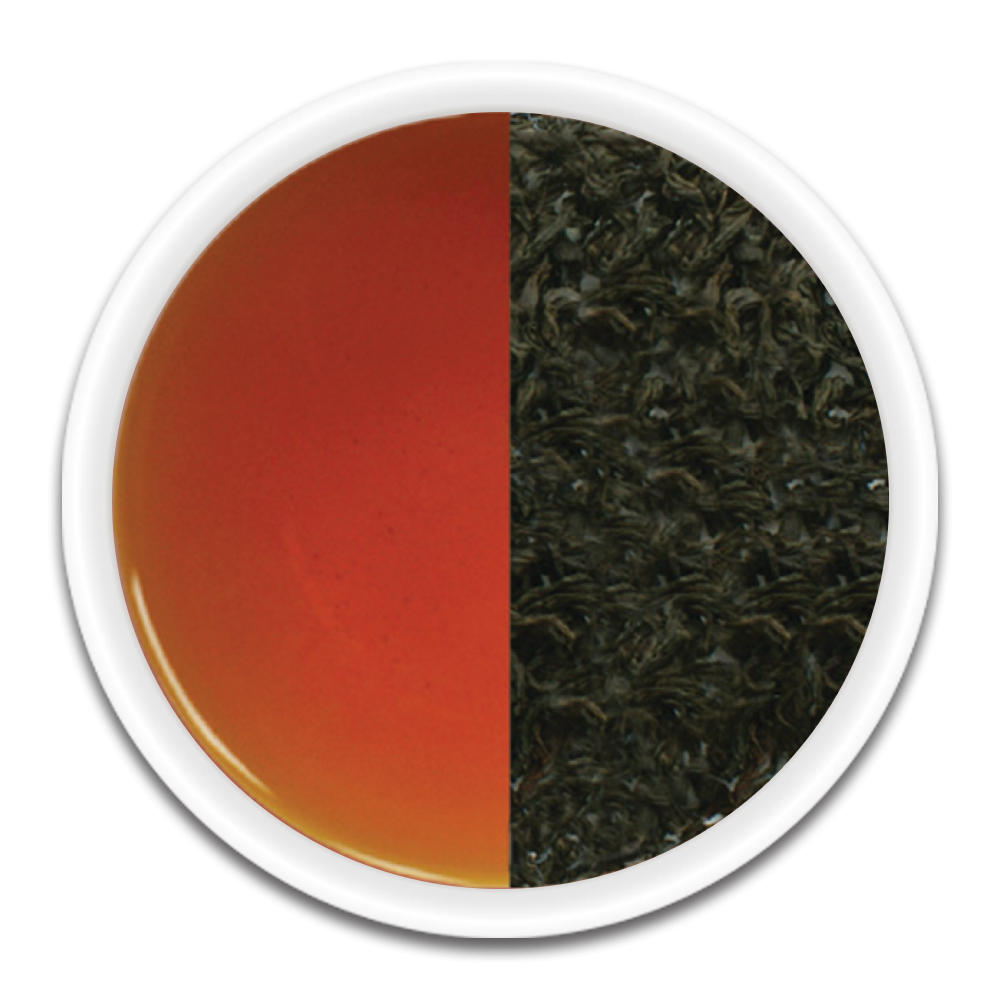
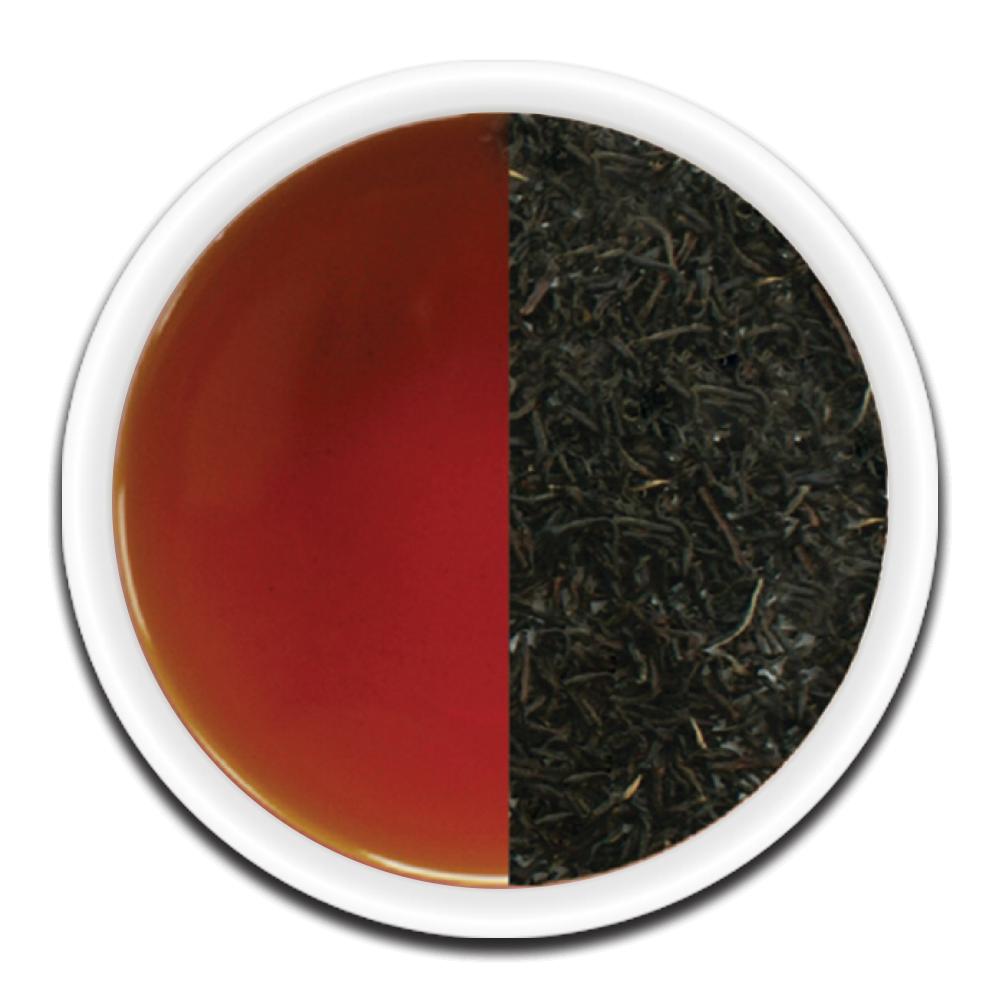
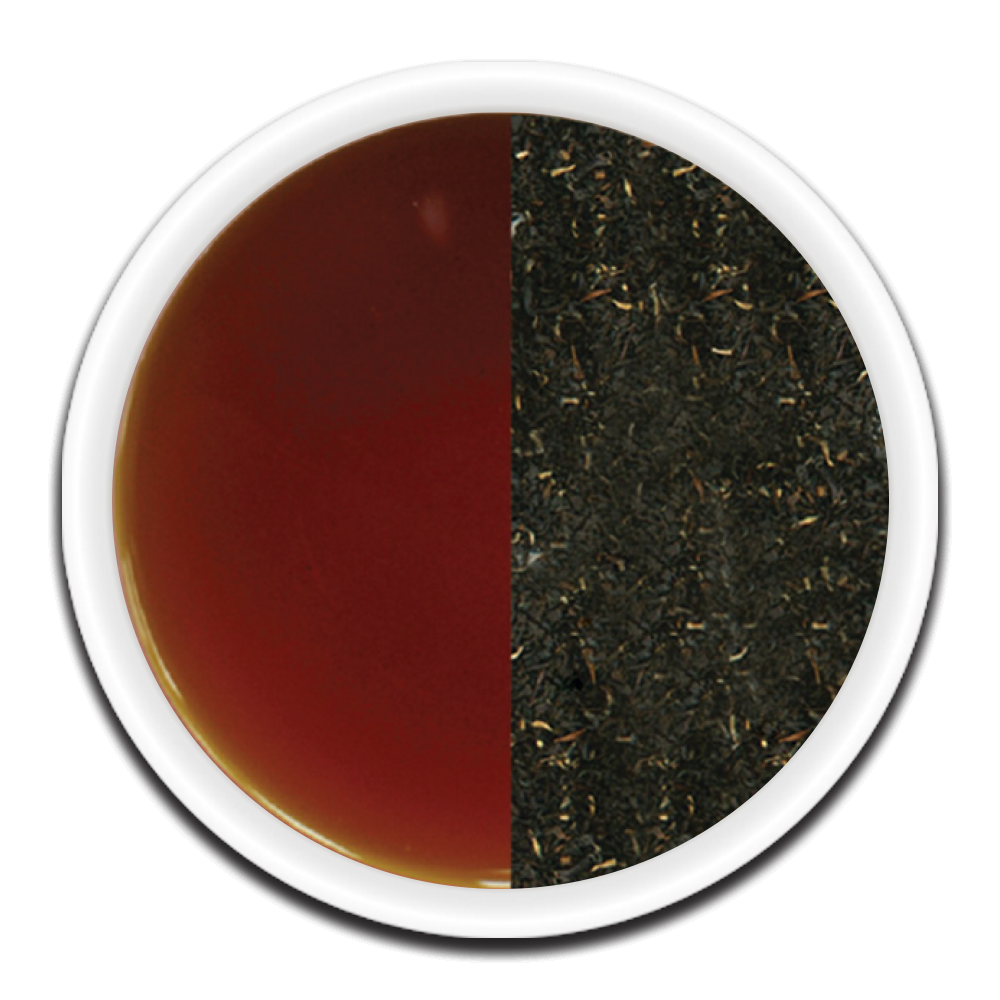
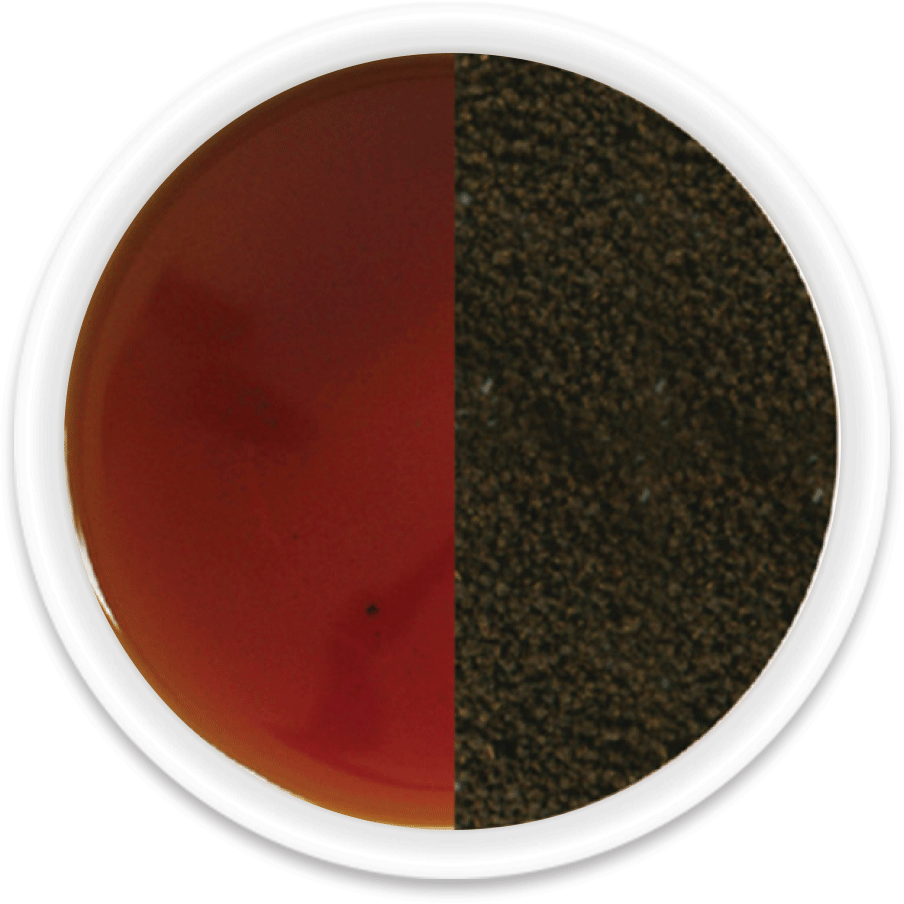
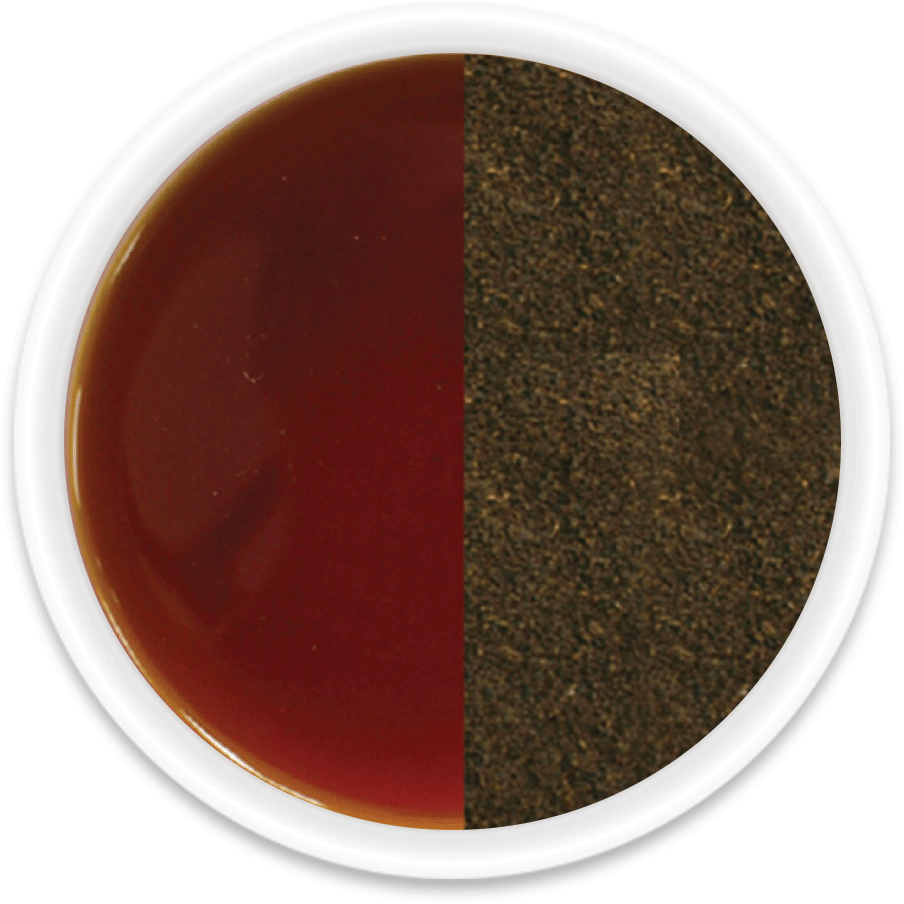
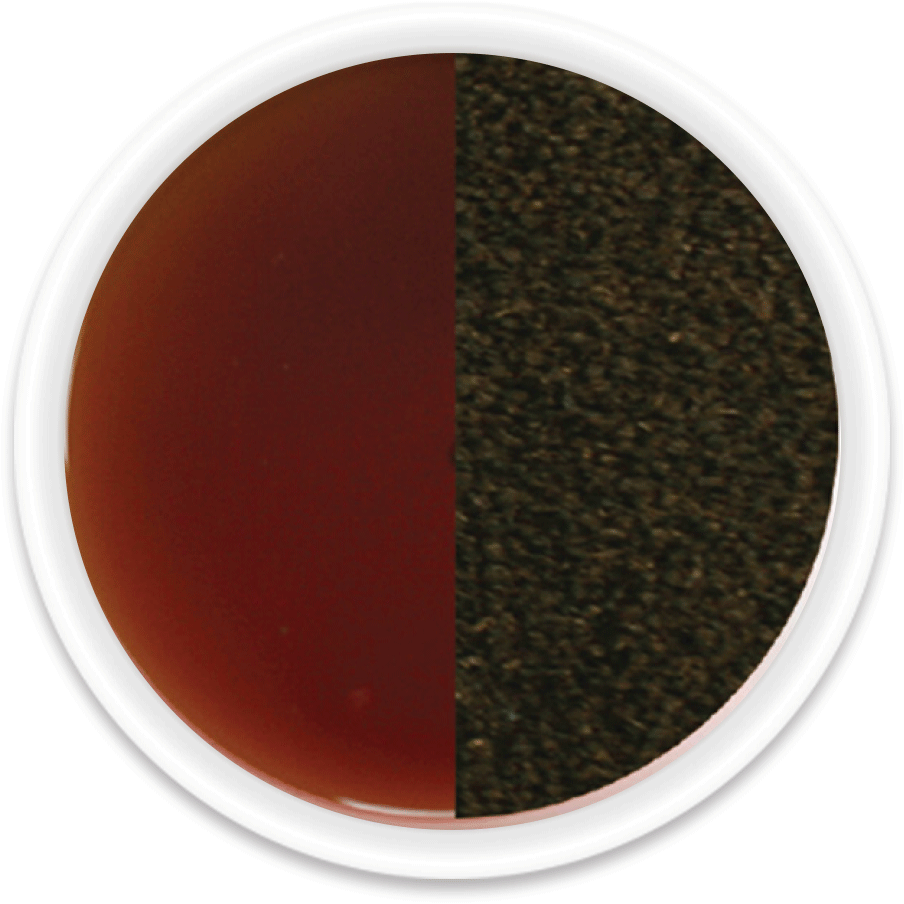
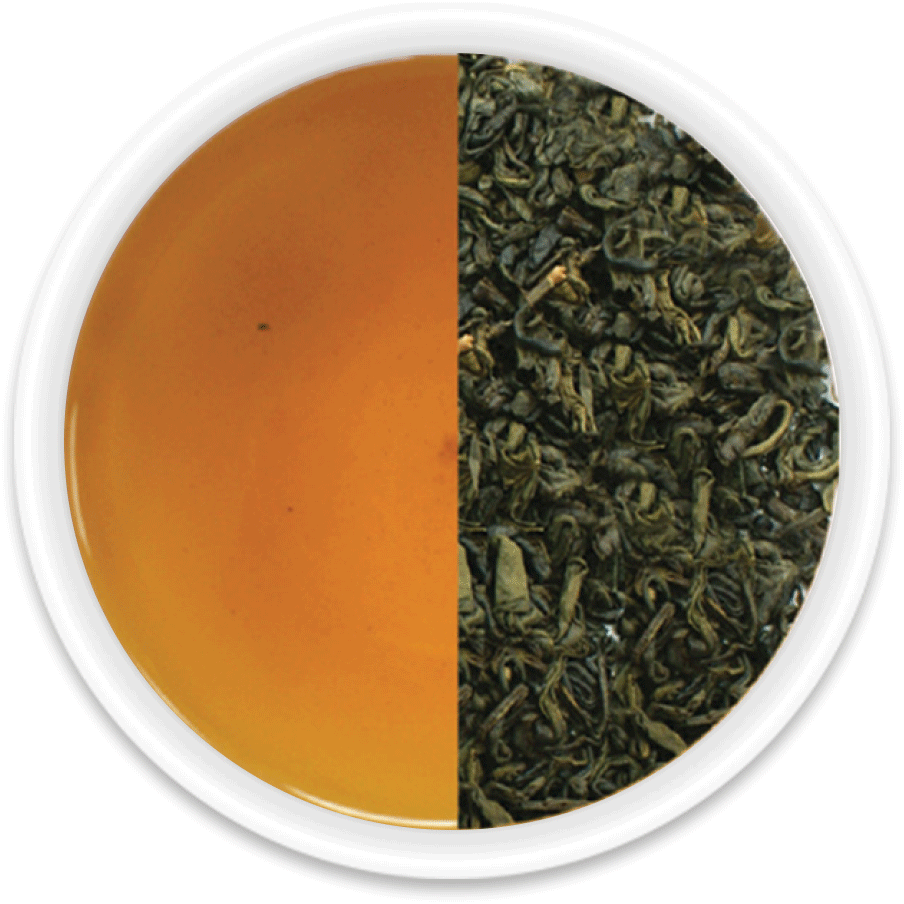
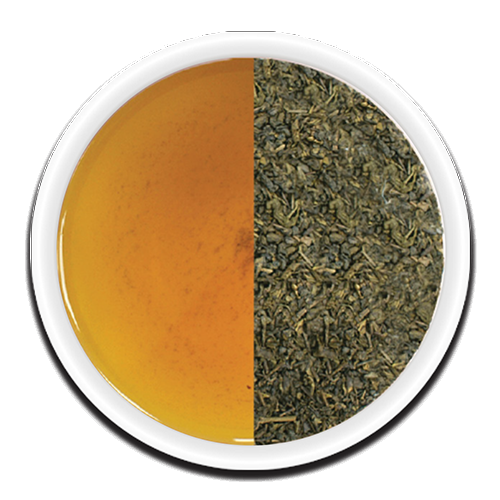
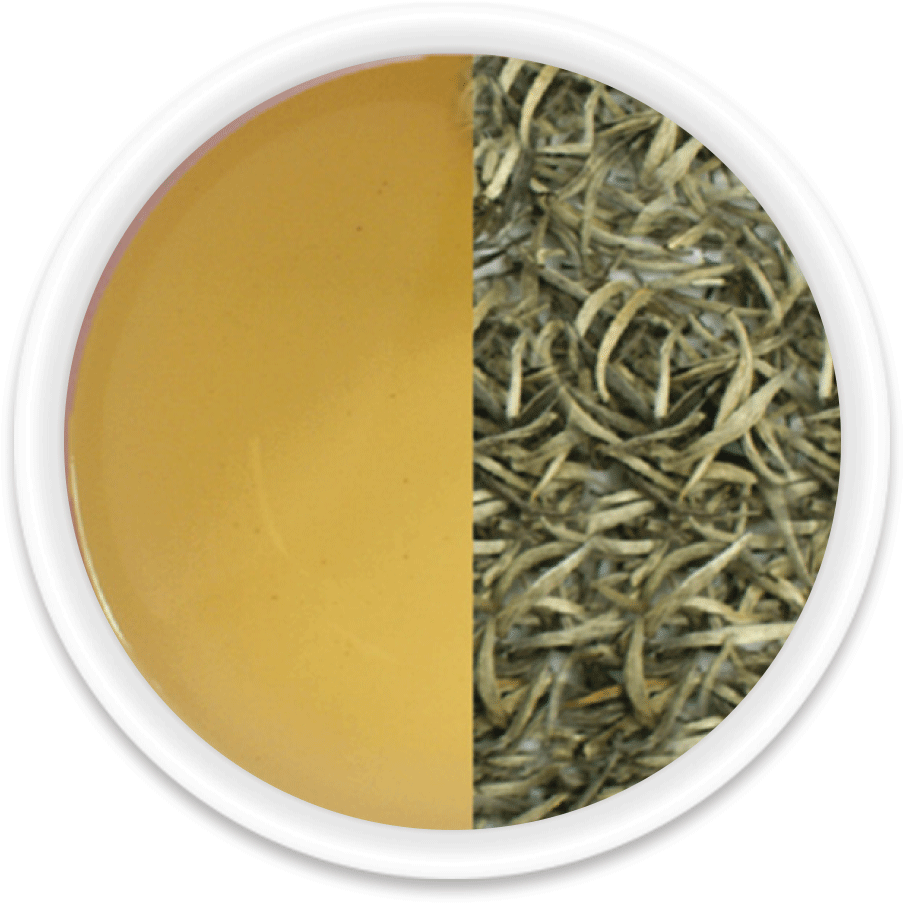
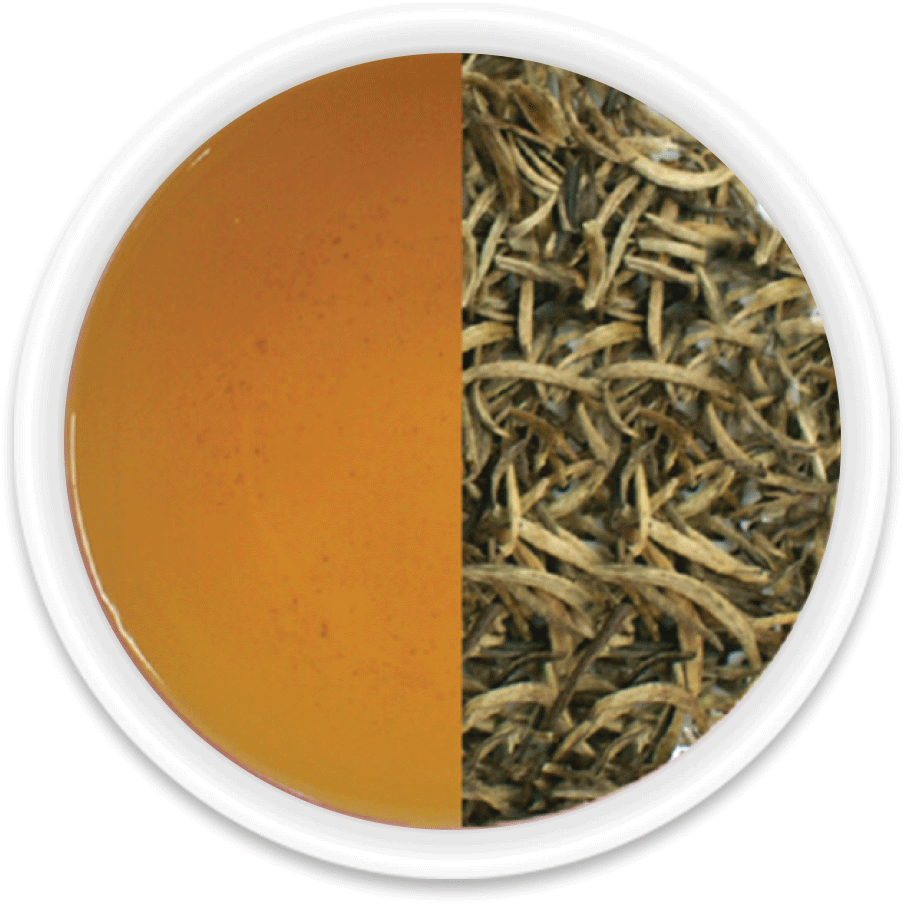
Tea is one of the most enjoyed beverages worldwide. Steeped in history, every step from leaf to cup takes skill and dedication to produce the perfect cup.
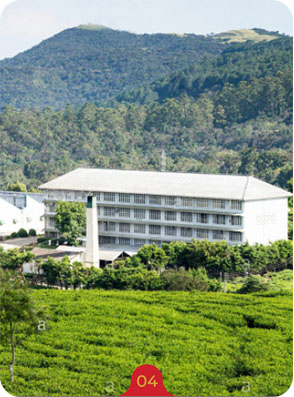
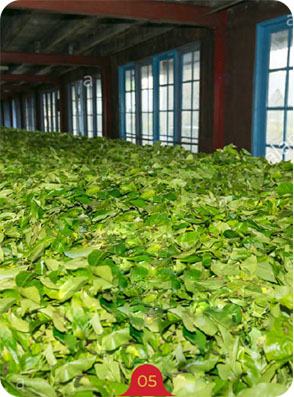
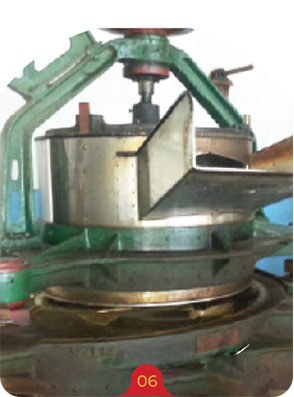
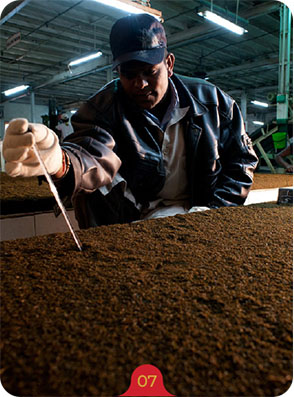
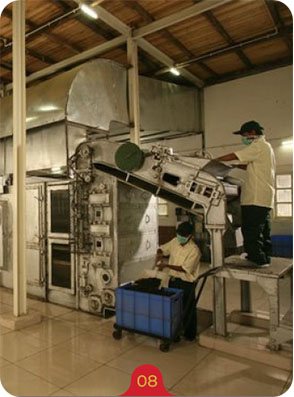
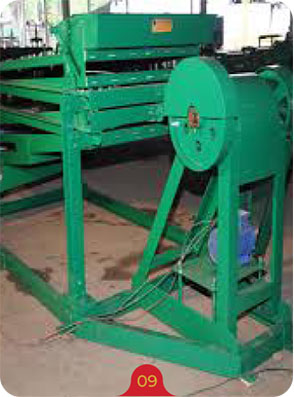
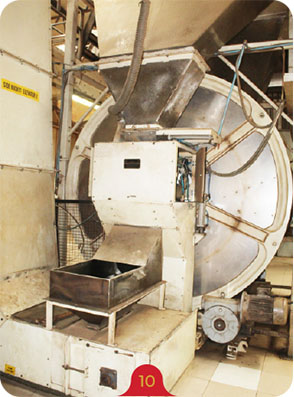
The tea production in Sri Lanka is a lengthy process. Tea processing can be counted as one of the methods in which the tea leaves of camellia sinensis plant are dried and made ready for brewing. There are many different stages involved and each stage has been undertaken perfectly to preserve the flavour, quality and aroma of tea. Click here to explore the journey from tea bush to tea cup.
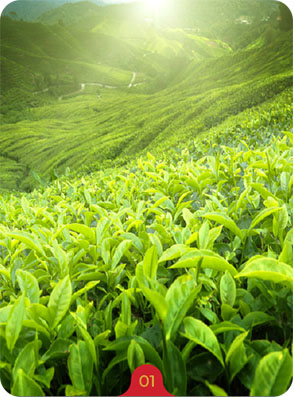
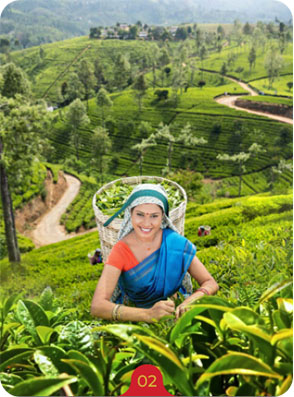
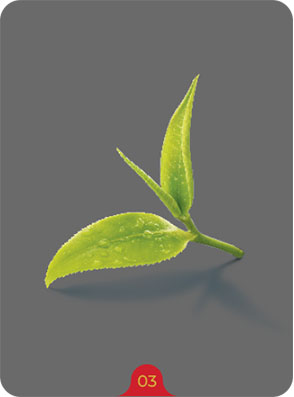


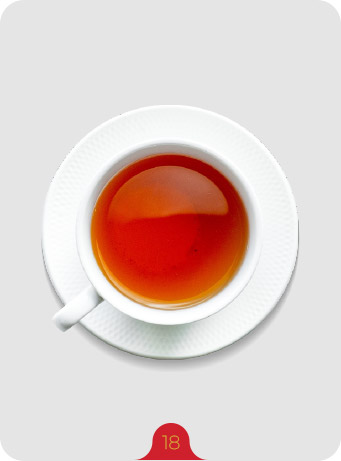


Explore the history, regions, grades, and craftsmanship behind authentic Ceylon tea from Sri Lanka.
Ceylon tea is tea grown in Sri Lanka, formerly known as Ceylon. It is known around the world for its unique character, rich flavor, aromatic profile, and the diversity created by Sri Lanka’s diverse growing regions and climates.
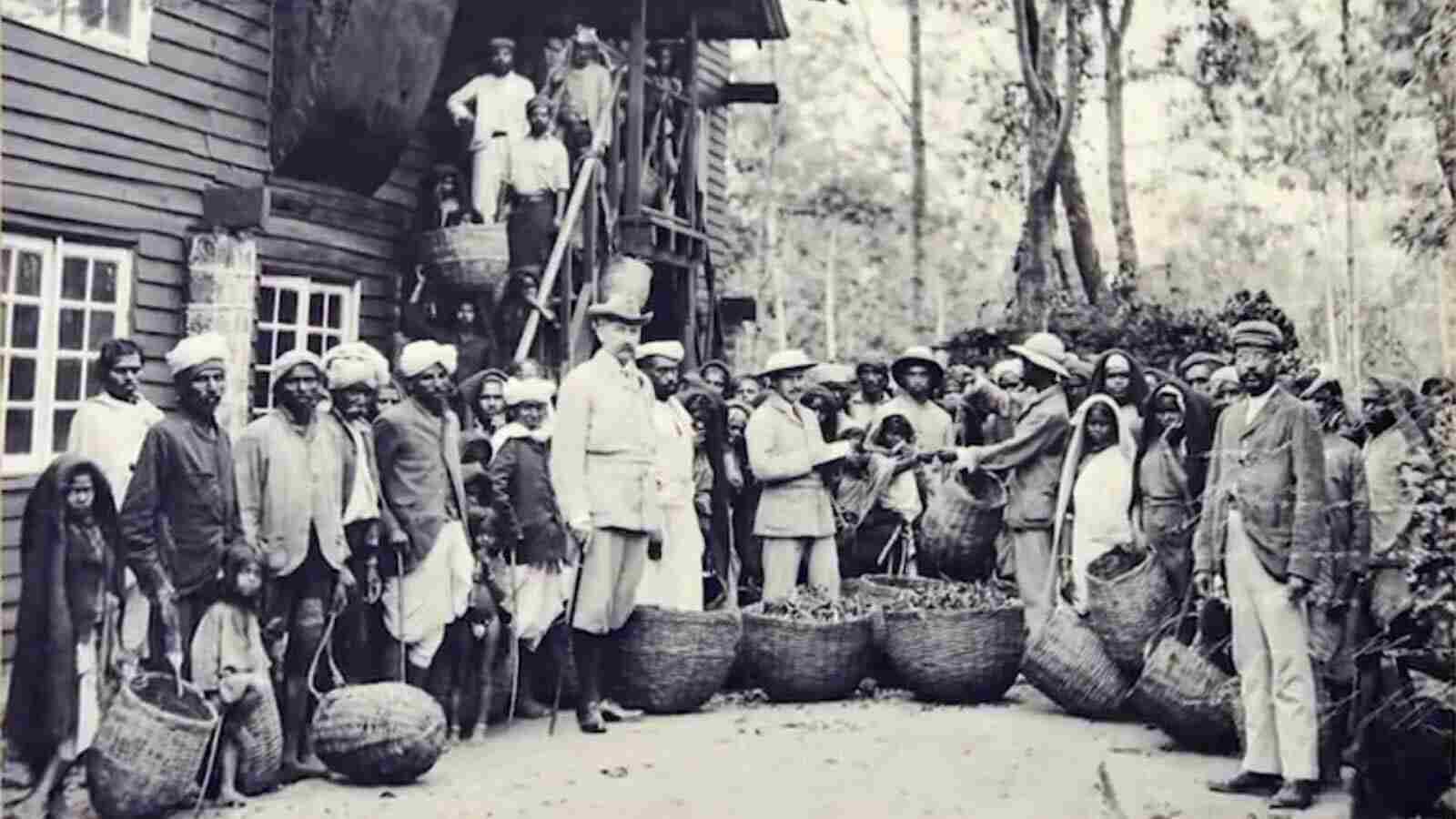
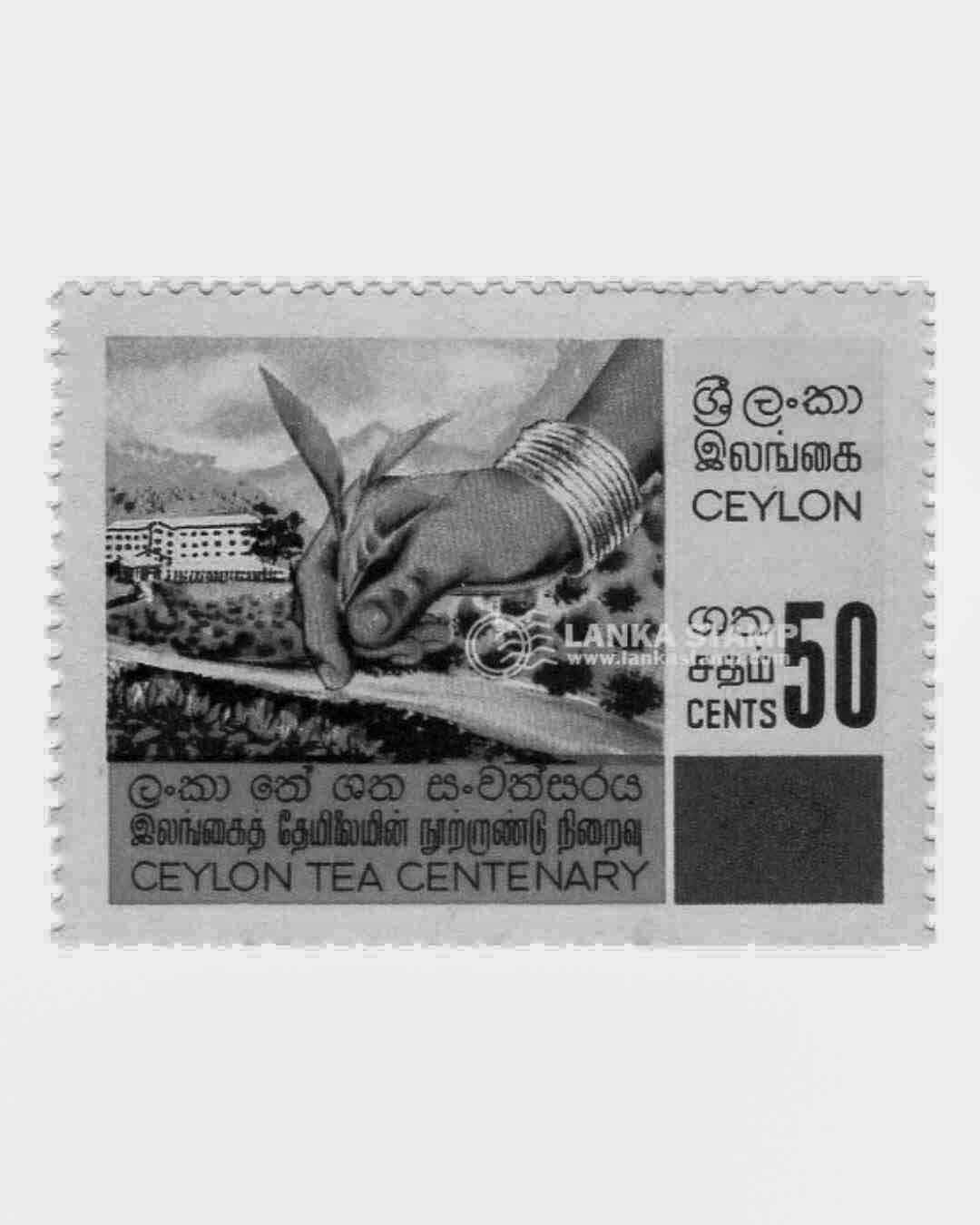
Tea was first introduced to Sri Lanka in 1824. Over time, research, cultivation, and commercial production helped Ceylon tea grow into one of the world’s most recognized beverages.
James Taylor is widely regarded as the pioneer of commercial tea production in Sri Lanka. In 1867, his work laid the foundation for what later became the modern Ceylon tea industry.
Ceylon tea is famous for its quality, distinctive taste linked to regional diversity. Sri Lanka’s varying elevations, climate conditions, and terrain produce teas with different qualities, aromas, colors, appearance and flavor notes.
Sri Lanka’s tea country is divided into 7 main tea-growing districts. Each region produces tea with its own character due to differences in location’s altitude, rainfall, soil, and temperature.
The main tea-growing regions commonly highlighted for Ceylon tea are Nuwara Eliya, Uda Pussellawa, Dimbula, Uva, Sabaragamuwa, Kandy, and Ruhuna.
Each tea region in Sri Lanka offers something unique. For example, low-grown teas are often fuller-bodied and deeper in color, while high-grown teas are typically brighter, lighter, and more delicate in aroma and taste.
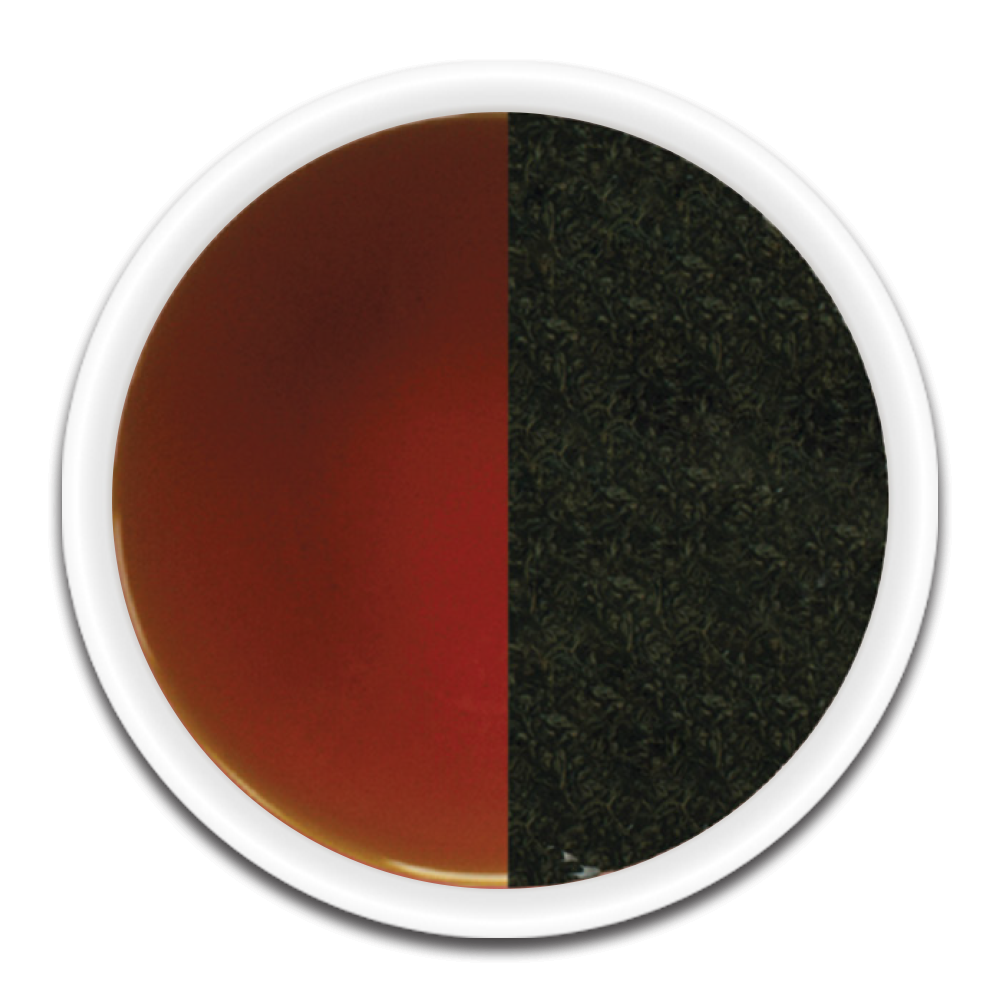
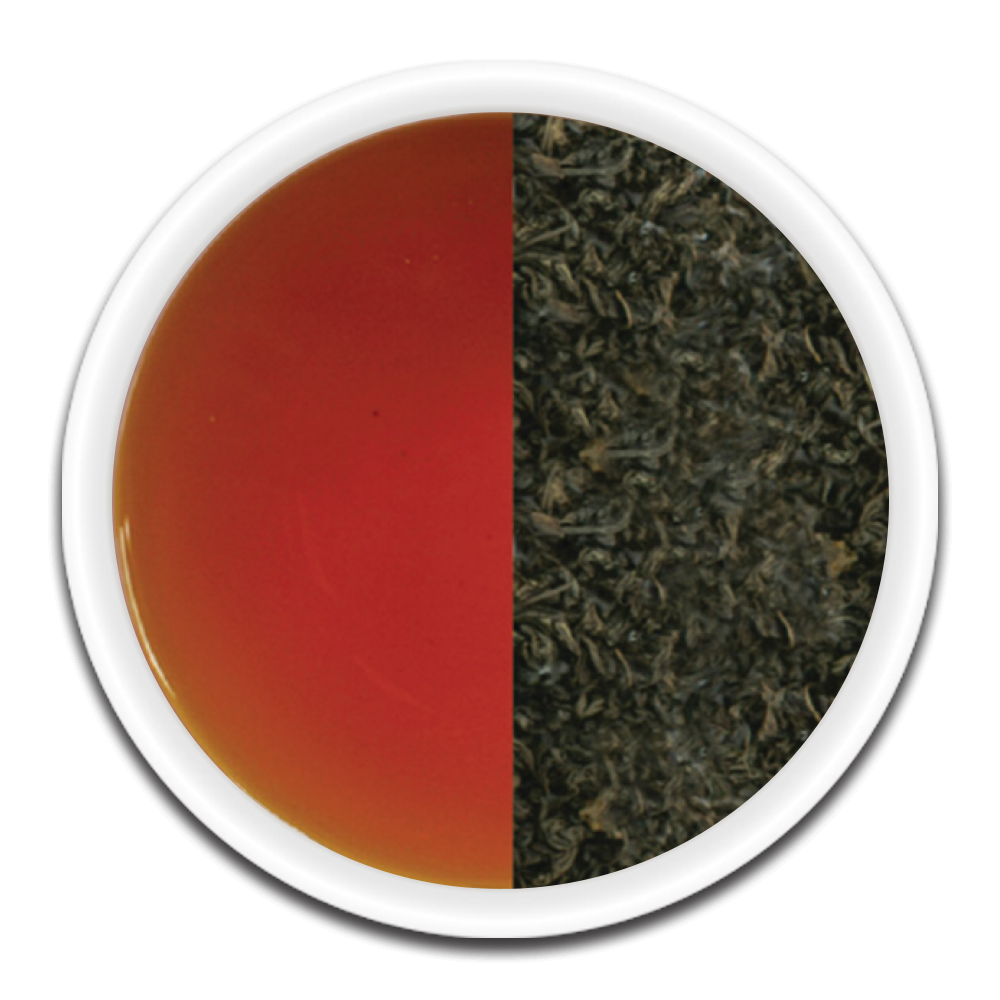
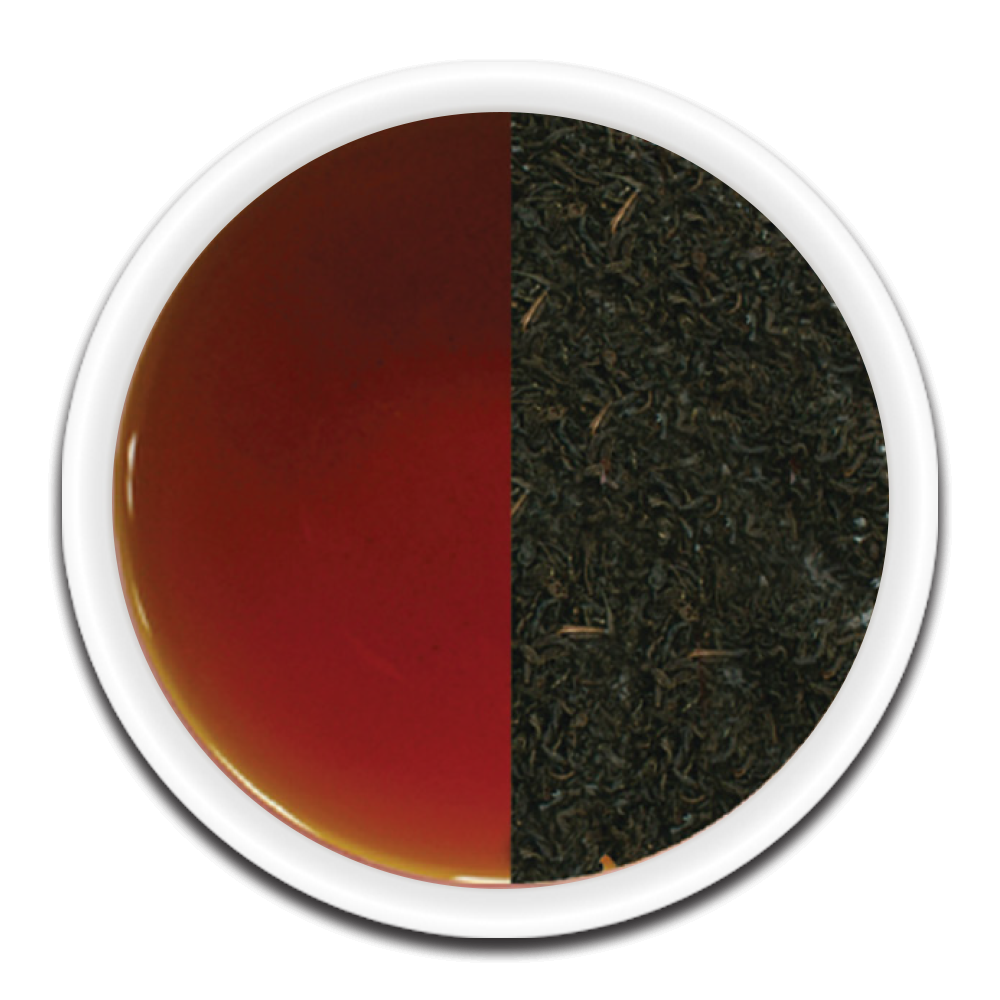
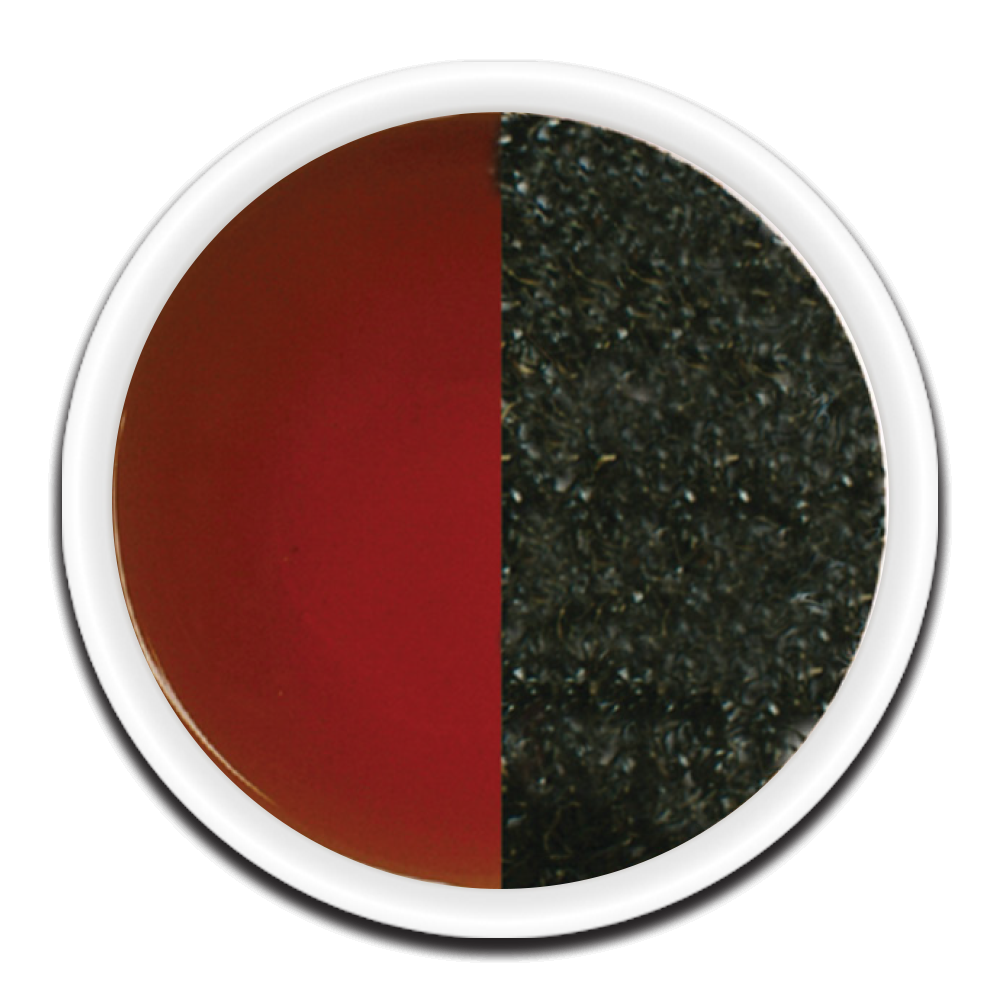
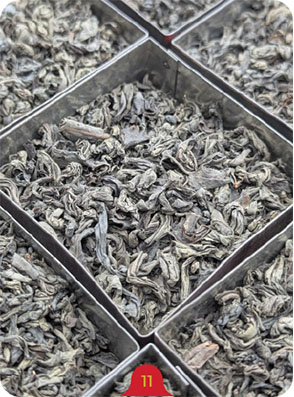
Ceylon tea grades refer to the size and style of the processed leaf rather than overall quality alone. Common grade names include OP (Orange Pekoe), Pekoe, BOP (Broken Orange Pekoe), Fannings, Dust, Silver Tips, and Golden Tips.
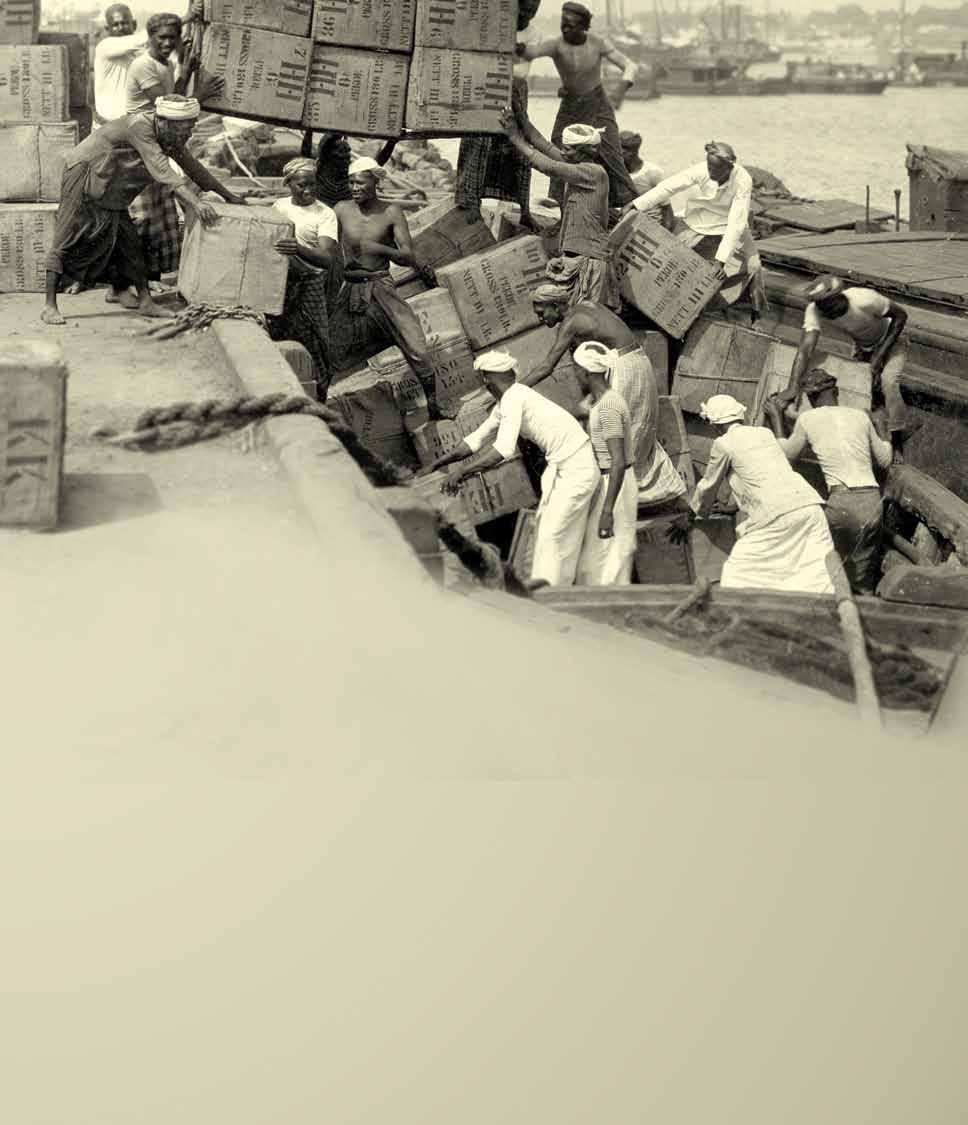
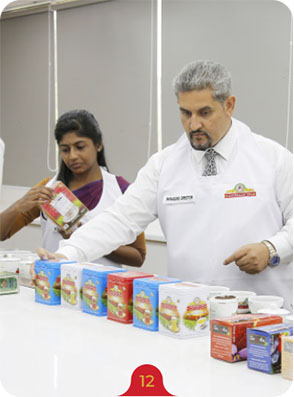
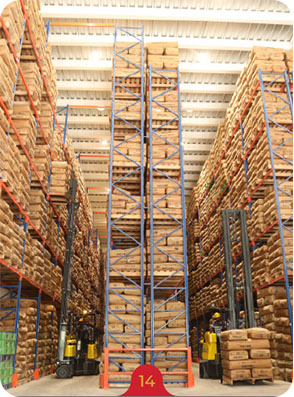
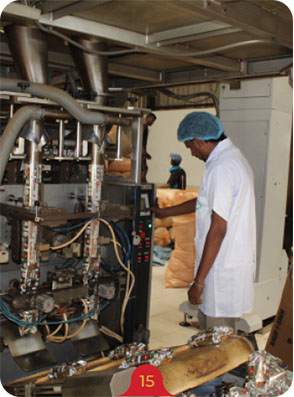
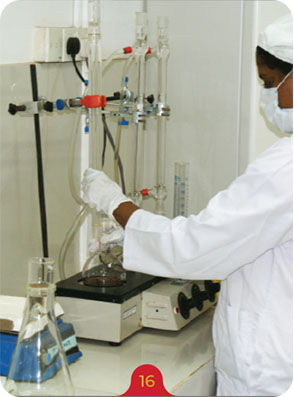
The leaf-to-cup journey includes several careful stages such as Growing, Harvesting, Tea Manufacturing, Transporting, Packaging / Value Addition, Exporting / Importing, Distribution, Shop - Shelf, Consumer, Cup. Each step is important in preserving the tea’s flavor, aroma, and quality.
Authentic Ceylon tea stands out because of Sri Lanka’s tea heritage, ideal growing conditions, diverse regional terrain, and the craftsmanship involved in producing teas with exceptional brightness, aroma, and character.