


Ceylon Tea Exporter Guide 2026
Sourcing premium tea for a global market is more than just a transaction; it is an investment in a legacy of quality. As of 2026, the demand for authentic, ethically sourced beverages is at an all-time high. Finding a reliable Ceylon tea exporter is the first step for any distributor or private label brand looking to capitalize on this trend.
This article explores why Ceylon tea remains the “gold standard” and how to identify an export partner that can deliver consistency in a shifting global market.
Why Ceylon Tea is the Gold Standard in 2026
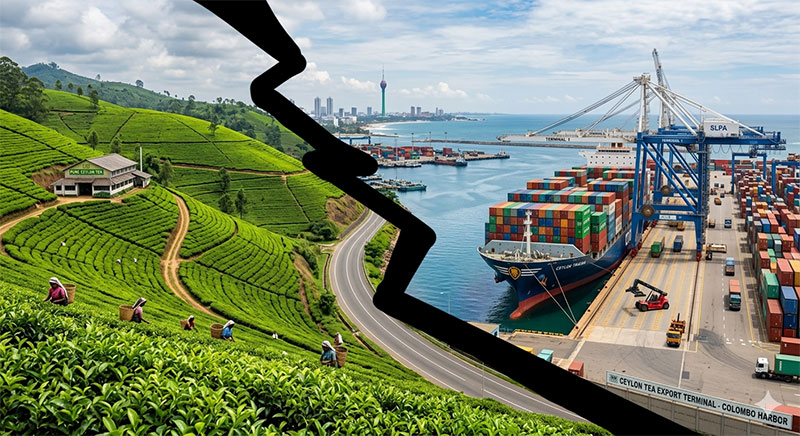
Sri Lanka (formerly Ceylon) is world-renowned for its diverse tea profiles. Unlike other regions, the island’s unique topography allows for the production of varied “elevations,” each offering a distinct flavor:
- Low-Grown (0–600m): Strong, full-bodied teas popular in the Middle East and Russia.
- Medium-Grown (600–1,200m): Mellow and citrusy.
- High-Grown (1,200m+): Delicate, floral, and light, often referred to as the “Champagne of Teas.”
Despite climate challenges like the 2025 Cyclone Ditwah, the industry has shown incredible resilience. Experts project a 10–12% growth in output for 2026, reaching nearly 300 million kilograms. For a buyer, this means better availability and stabilized pricing after a period of supply-side constraints.
Key Qualities of a Top Ceylon Tea Exporter
Choosing a partner isn’t just about the price per kilogram. To ensure your brand’s reputation remains intact, look for these “must-have” credentials:
1. The Lion Logo Guarantee
The most critical mark of authenticity is the Lion Logo. Owned by the Sri Lanka Tea Board, this trademark ensures that the tea is not only 100% pure Ceylon but also packed within Sri Lanka to maintain its freshness and aromatic integrity.
2. Advanced Value-Addition Capabilities
A modern Ceylon tea exporter does more than ship bulk sacks. The leaders in the 2026 market offer:
- Private Labeling (OEM): Ready-to-sell retail packaging.
- Specialty Blends: Infusions with natural fruits and herbs.
- Innovative Extractions: With the “Bubble Tea” surge and the rise of “Cold Extraction” technology, top exporters now provide premium tea bases that retain floral notes even when served cold.
3. Sustainability and Certifications
In today’s market, transparency is non-negotiable. Ensure your exporter complies with:
- ISO 22000 & HACCP: For food safety.
- Fair Trade & Rainforest Alliance: To guarantee ethical treatment of plantation workers.
- Good Agricultural Practices (GAP): Ensuring the tea is free from harmful pesticides.
Current Market Trends (2026 Data)
The export landscape is shifting toward high-value, low-volume shipments. While Iraq and Türkiye remain the largest importers, there is a significant surge in demand from the United States and China, where consumers are increasingly seeking “Orthodox” teas—teas made using traditional methods rather than the mass-produced CTC (Crush, Tear, Curl) method.
| Export Category | 2026 Performance |
| Tea Packets | High Growth (Demand for retail-ready units) |
| Instant Tea | Rising (Driven by the ready-to-drink / RTD sector) |
| Bulk Tea | Stable (Primary for large-scale blending) |
How to Partner with a Reliable Exporter
If you are looking to source, start by evaluating their backward integration. Exporters who have direct links to tea auctions or own their own plantations (like the major RPCs in Sri Lanka) often provide better traceability and price stability.
Pro Tip: Request samples from different elevations. A reputable Ceylon tea exporter will be happy to guide you through a “cupping” session to find the specific flavor profile that matches your local market’s palate.
Simplify your tea export journey with Anverally & Sons. Contact Us today and let us help bring the flavours of Sri Lankan tea to the world.


