History of Ceylon Tea

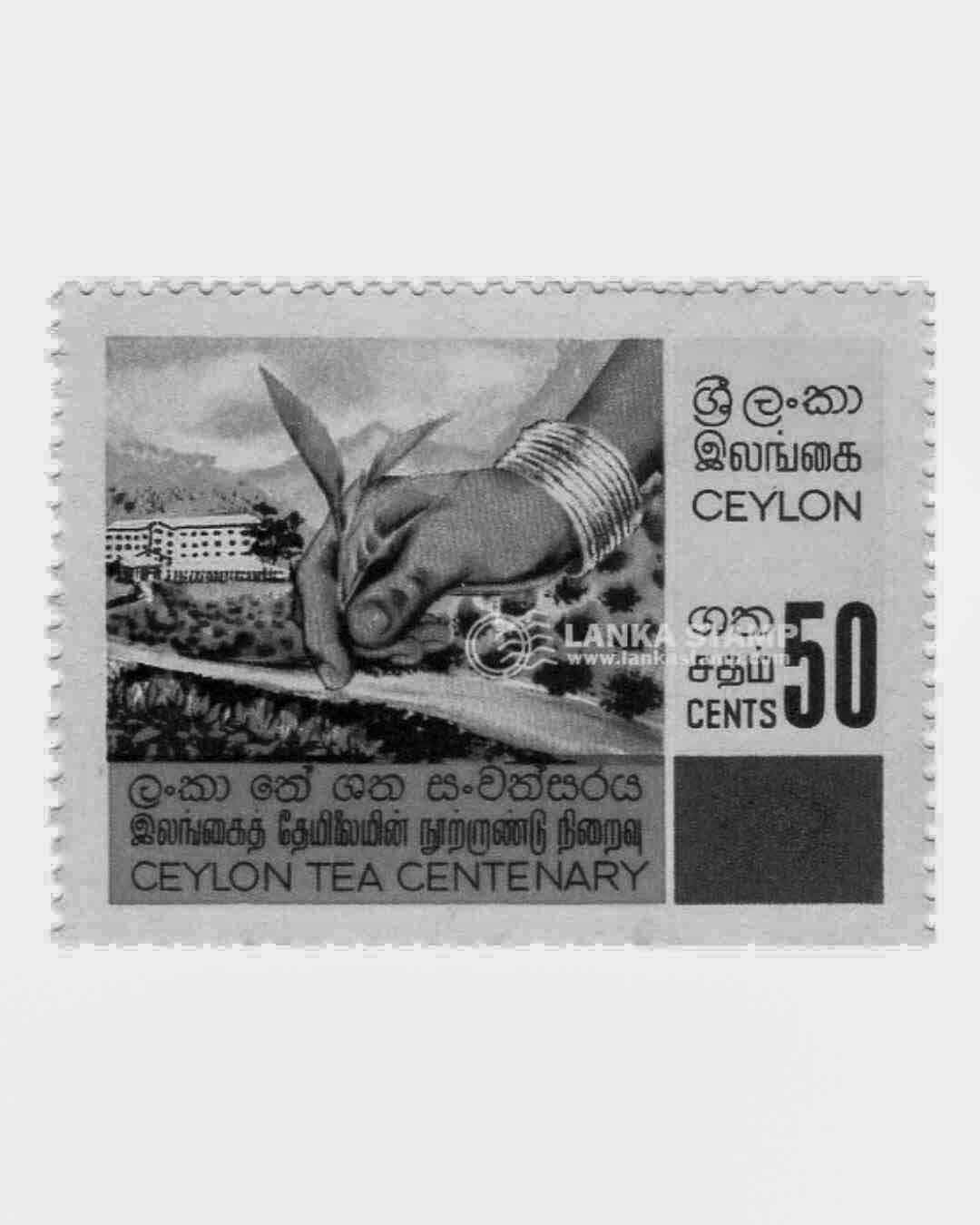
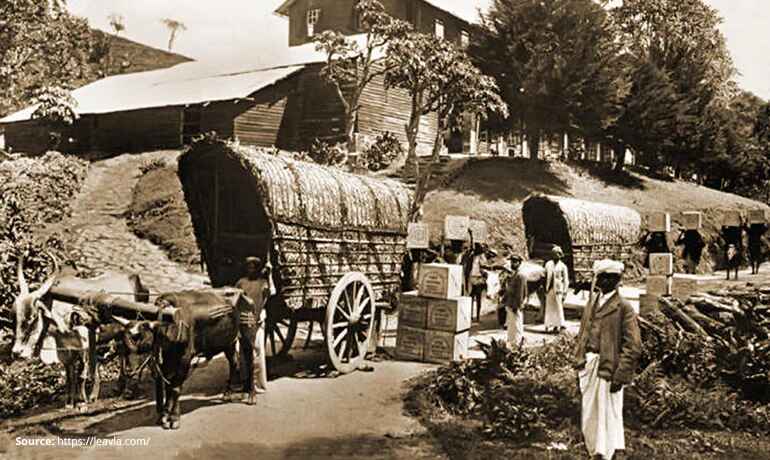
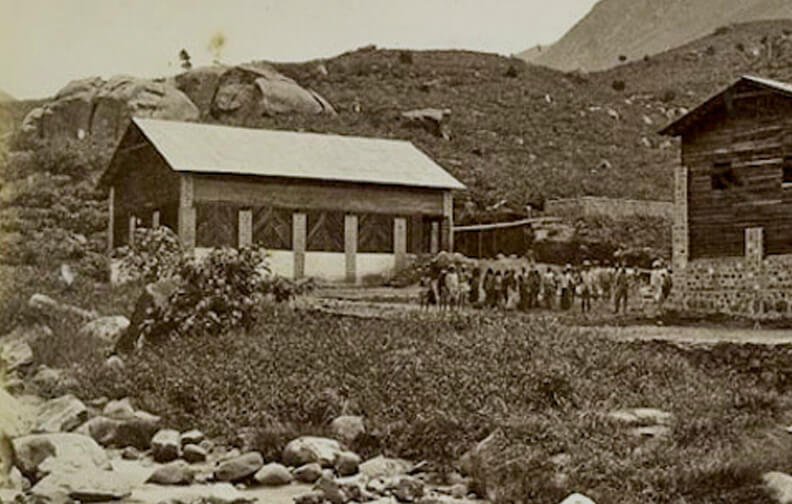
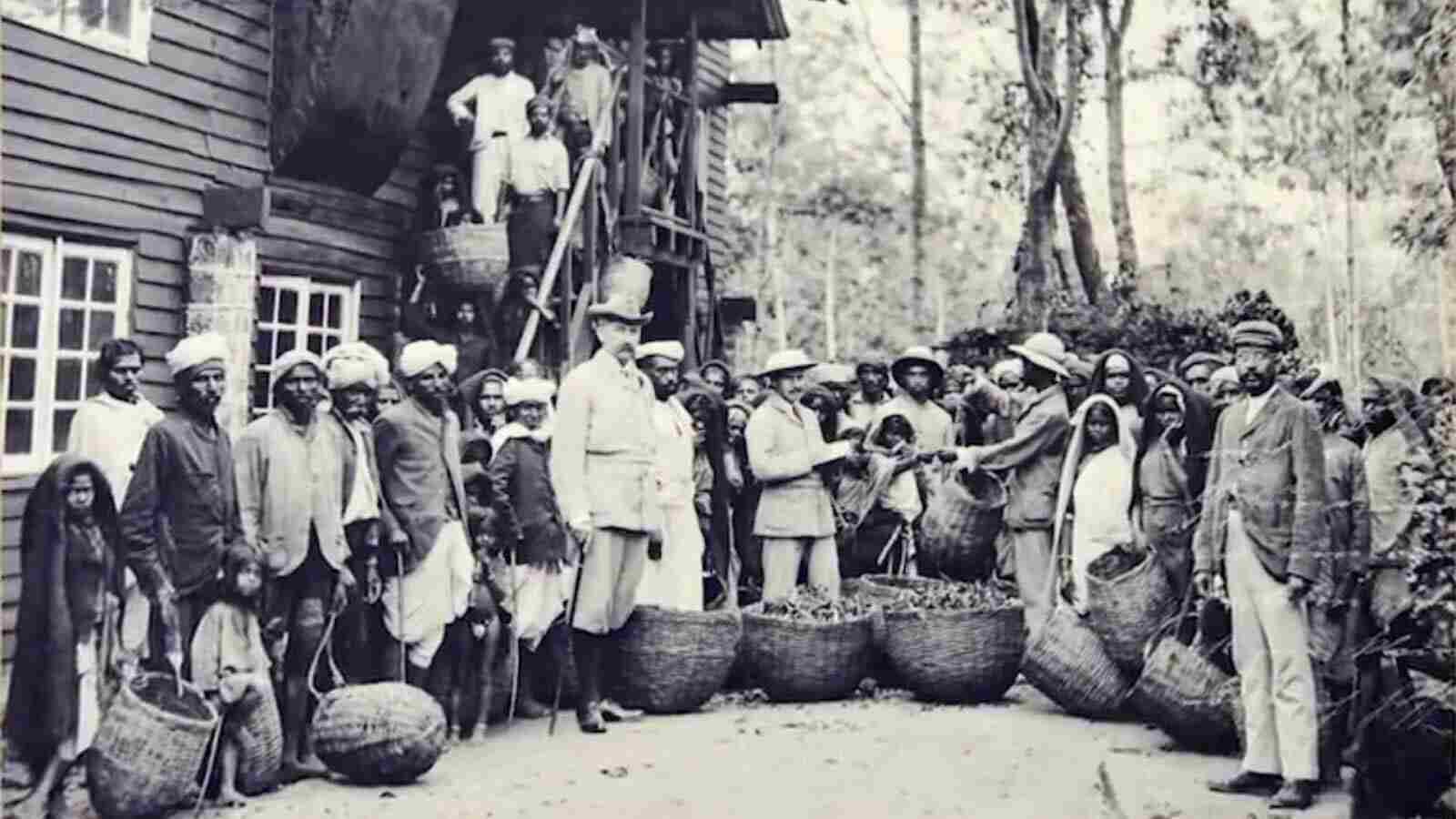
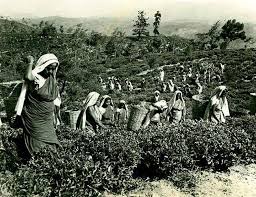
During the Ceylon coffee boom of 1867, a Scottish planter, James Taylor, now known as the “Father of Ceylon Tea” was entrusted with the task of assessing the commercial viability of planting tea, which is now considered the beginning of the tea industry in the country. His success was timely in that the coffee industry was devastated by a blight known as “Devastating Emily”.

On the back of the destruction of coffee, below are the significant events in history of Ceylon tea Sri Lanka.
Regions And Taste Profiles

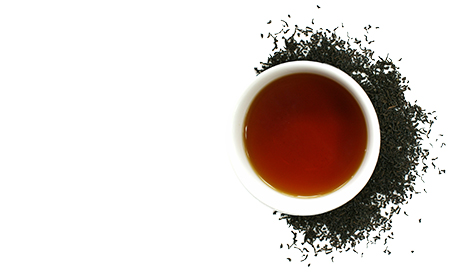
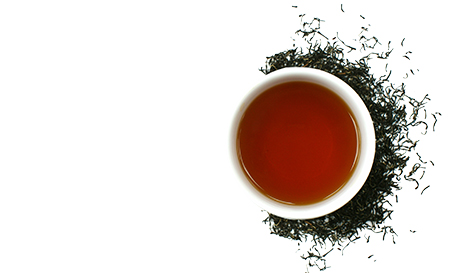
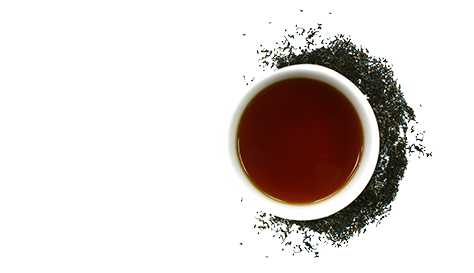
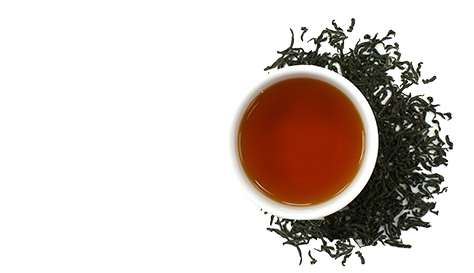
The tea growing regions extends from the southern foothills to the mountain ridge in central Sri Lanka producing the best tea in Sri Lanka. The tea country is divided into 7 districts, each of which produces teas of distinct character due to its unique climate and terrain.

Nuwara Eliya

  • Best-known of Sri Lanka’s Tea-Growing regions.
  • Known as “Champagne of Ceylon Tea”
  • The most mountainous and highest elevation
  • The cool climes help produce teas of exquisite bouquet.
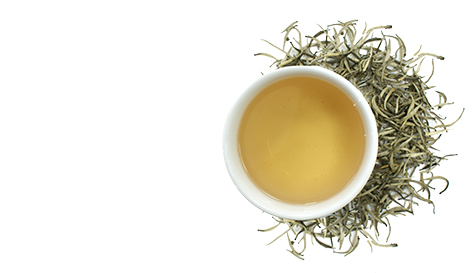
  • Liquors have a golden hue and a delicate fragrant flavour
  • Best drunk without milk
  • Ideal for iced tea.

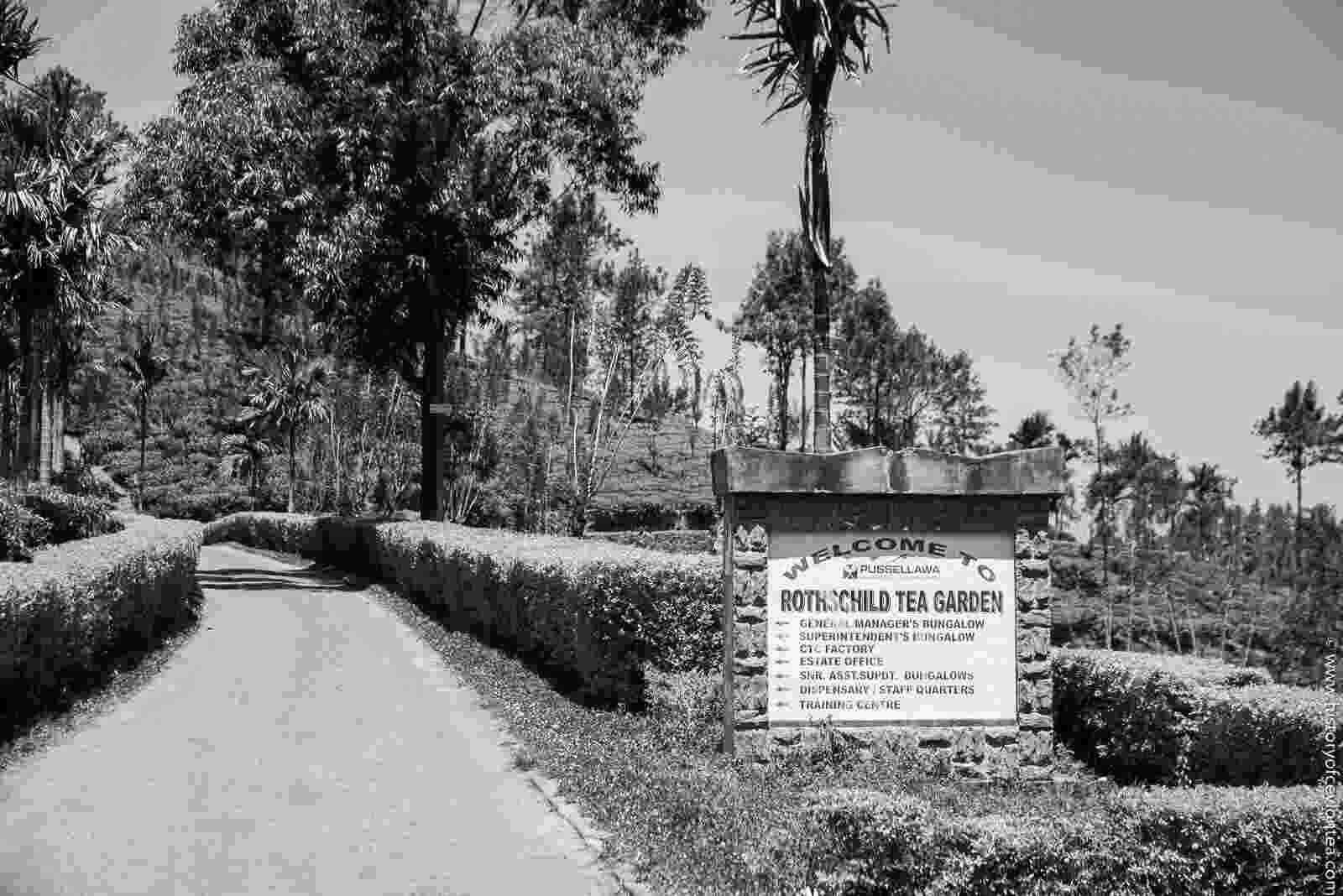
Uda Pussellawa

  • Situated close to NuwaraEliya.
  • Although compared to its more illustrious neighbour it has a darker liquor with a pinkish hue.
  • Benefits from both seasons
  • Liquor is of medium body and subtle tangy character.
  • However, during the rainy season this area produces a darker liquor and a stronger cup.

Dimbula

  • Classified as High Grown tea.
  • Elevation can range between 4000 – 5000 feet.
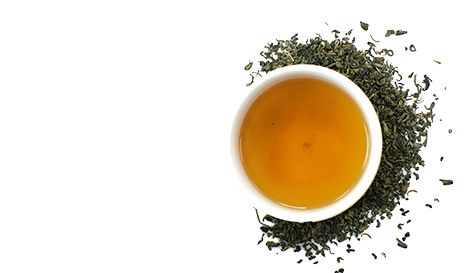
  • The liquor has a golden orange hue with hints of citrus but is refreshingly mellow.
  • Peak season is from February to March.
  • This region has a variety of microclimates.
  • According to the area and the type produced, tea could be drunk either with milk or a slice of lemon.

Uva

  • This remote district is exposed to the winds from both northeast and southwest monsoons.
  • Estates from the region produces an unmistakable character with a exotically aromatic flavour.
  • The best quality teas are produced during late July to end August.

Kandy

Kandy

  • Where the industry began
  • Categorised as Medium Grown Tea and grown at an elevation between 2000 – 4000 feet.
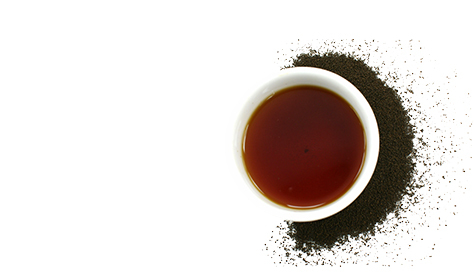
  • The liquors are strong and intensely full bodied.
  • Infusion is bright with a coppery tone.

Sabaragamuwa

Sabaragamuwa

  • Sri Lanka’s biggest district.
  • Teas are categorised as low grown.
  • Plantations are situated between sea level and 2000 feet.
  • Due to the intense sun, growth is both vigorous and lush.
  • The leaf size is larger than that of the high grown
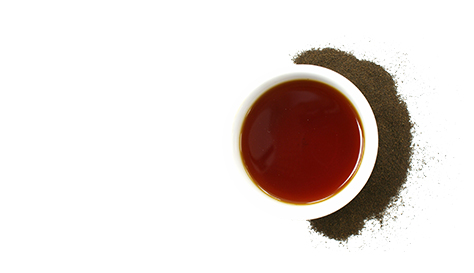
  • The liquor is dark yellow-brown with a reddish tint and reasonable strength.
  • The aroma has a hint of sweet caramel.

Ruhuna

Ruhuna

  • Area extends from coastal plains to the Southern edge of Sinharaja Rain Forest.
  • Similar to Sabaragamuwa, teas grow rapidly.
  • Teas could be stronger compared to Sabaragamuwa and have a malty character, which is distinctively unique.

Grades In Sri Lanka

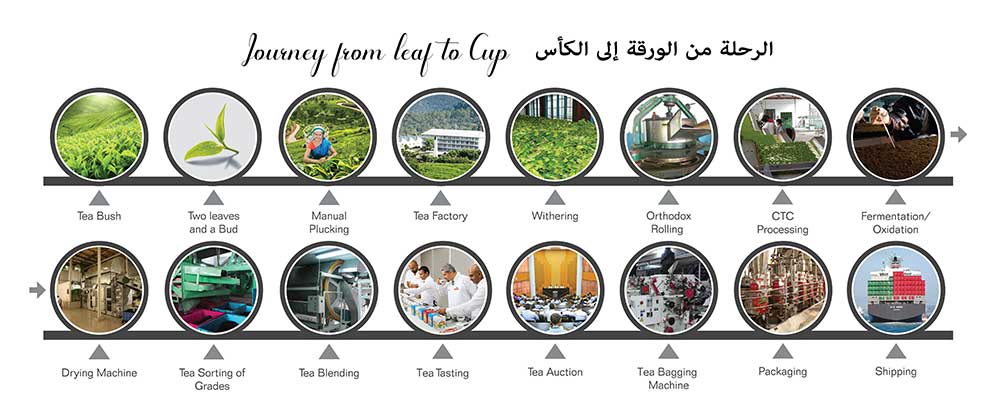
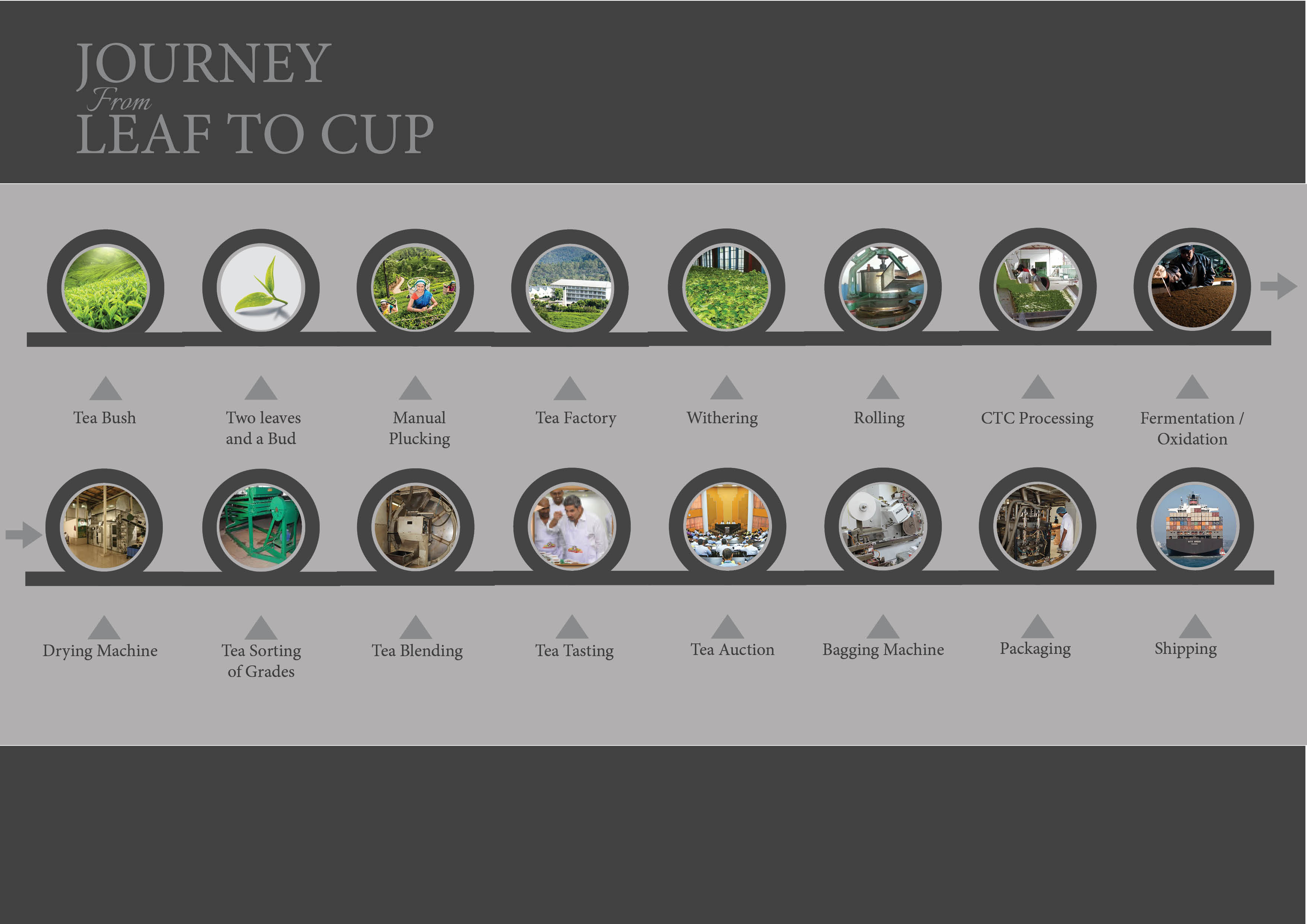
Journey from Leaf to Cup

Tea is one of the most enjoyed beverages worldwide. Steeped in history, every step from leaf to cup takes skill and dedication to produce the perfect cup.

The tea production in Sri Lanka is a lengthy process. Tea processing can be counted as one of the methods in which the tea leaves of camellia sinensis plant are dried and made ready for brewing. There are many different stages involved and each stage has been undertaken perfectly to preserve the flavour, quality and aroma of tea. Click here to explore the journey from tea bush to tea cup

Explore Now

Anverally Tea WhatsApp Anvarlly Tea Facebook Anvarlly Tea Youtube Anvarlly Tea lnkedin Anvarlly Tea tiktok Anvarlly Tea X Anvarlly Tea Instagram